
orphaned
 2
3.5
2
3.5

- adjective
- /ˈɔrfənd/
- She was an orphaned girl for whom the Romanos had agreed to stand as a substitute family.
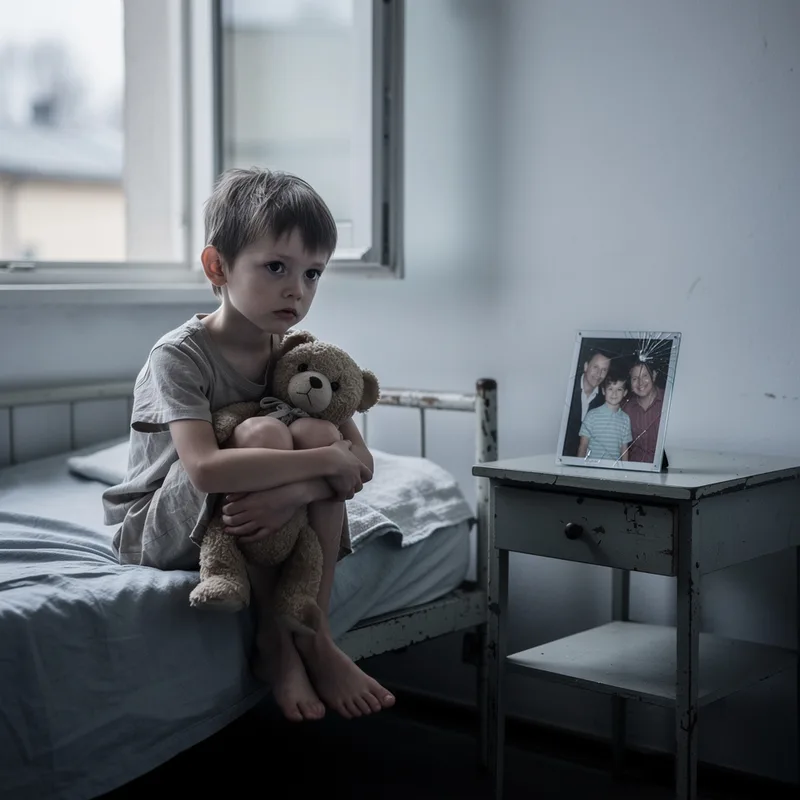
- orphaned child
Loading YouTube…
Watch on YouTubeNo one, no one who wasn't orphaned in Syria in a civil war is responsible for that.
- No one, no one who wasn't orphaned in Syria in a civil war is responsible for that.
- And when her mother passed away, she was orphaned and she was sent to a convent to train to be like a healer basically.
- They keep saying he's an orphan so it was his bad mood because he was newly orphaned?
Examples
-
Each orphaned child has a story and a life.
Academic text (2006) -
Our orphaned baby otters would have starved If we hadn't found them near their den.
-
And so I was essentially orphaned at that time.
-
My grandfather was a young man from Oklahoma was orphaned in his teenage years.
-
We both had the same odd, orphaned upbringing, right?
Fiction book (1999) -
And when her mother passed away, she was orphaned and she was sent to a convent to train to be like a healer basically.
-
The queen was unable to bear the loss of all their three sons, leaving the king alone in despair with the company of his only remaining heir, his orphaned grandson.
-
The singers all attended the Piney Woods Country Life School in Mississippi, which was for poor and orphaned African Americans.
Blog text (11) -
In 1895, the high school, underfunded compared to the Cherokee schools, established a residential primary department to provide a home and education to its orphaned and indigent children.
Academic text (2010) -
The main character in this story is an orphaned boy who lives with his grandmother.
Surface Forms
Morphology
Etymology
Orphaned comes from an old Greek word orphanos, which means 'without parents'. So to be orphaned is to be left 'without parents', and that is why we use it for children or animals who have lost their parents.