
ornamentality
- noun
- /ˌɔrnəˈmɛntəlɪti/
- Specialized
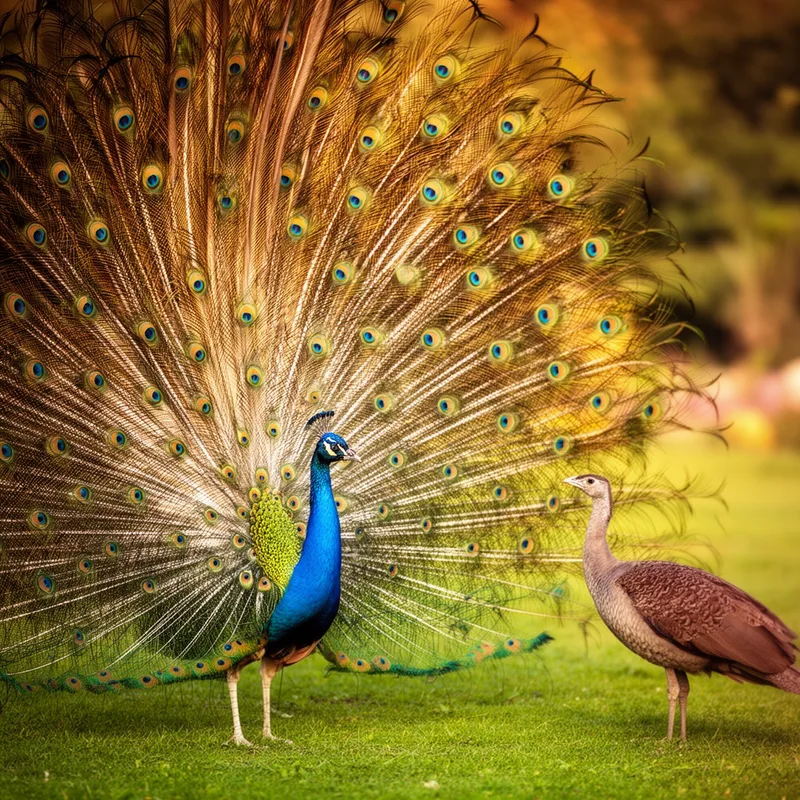
- The peacock's tail is a classic example of ornamentality in the animal kingdom.
Examples
-
The bright colors of the fish are a sign of ornamentality used to attract mates.
-
The bright plumage of many tropical birds is a clear example of ornamentality, enhancing their appeal to potential partners.
-
Scientists study ornamentality to understand how certain traits evolve through sexual selection.
-
The ornamentality of the peacock's feathers attracts many potential mates.
-
In nature, ornamentality plays a crucial role in mating rituals.
-
The peacock's tail exhibits remarkable ornamentality, showcasing its vibrant colors to attract mates.
-
Researchers focused on the ornamentality of certain species to analyze their mating behaviors and preferences.
Synonyms

 6
4.9
6
4.9

Details added to make something look more beautiful
 4
7.7
4
7.7
A very bright and fancy style that attracts attention in dress or manner


 1
4.0
1
4.0
A decorative, stylish appearance that seems expensive
 1
6.5
1
6.5
A style that is very bright or richly decorated to attract attention
 1
6.8
1
6.8
How easy something is to see or notice

A thing or style with many decorative details

The quality of having pretty details that make something look attractive

Decorative details added for show that do not make something work better

The use of very fancy, detailed language or style that feels too much

A stylish, expensive look that shows someone is rich

A stylish, impressive appearance that shows wealth or good taste
Antonyms


How Showy

Surface Forms
Morphology
ornamentality = ornamental (transparent) = ornament + al + ity
Derived from 'ornamental' + '-ity'; though used in specialized biological contexts (display for mates), the morphological meaning is the same 'quality of being ornamental/displayed'.
Etymology
Ornamentality comes from the word ornament, from the Latin ornare 'to decorate', and it carries the idea of a display. That's why in animals ornamentality means decorative features used to attract mates, like a peacock's tail.