
orientalia


 1
9.8
- noun
- /ɔːrɪˈɛnˌteɪliə/
- Jargon
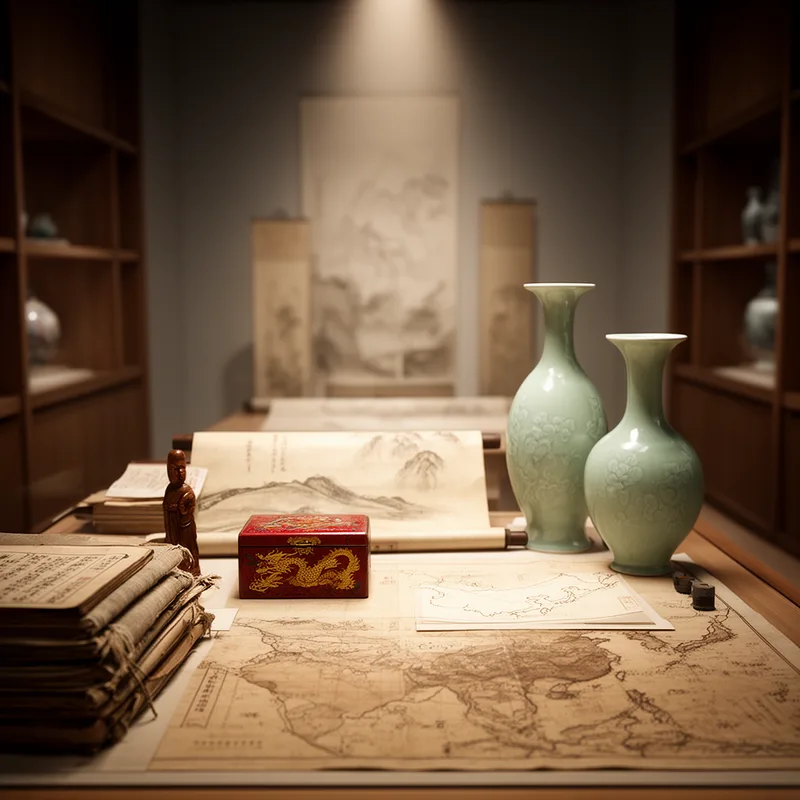
- The museum's orientalia exhibit features ancient Japanese scrolls and Korean ceramics.
Examples
-
Collectors often seek rare orientalia such as old maps and manuscripts from China.
-
Researchers traveled to study the orientalia preserved in the university archives.
-
The library has a vast collection of orientalia.
-
She studies orientalia at the university.
-
The museum's orientalia exhibit features ancient Japanese scrolls and Korean ceramics.
-
Collectors often seek rare orientalia such as old maps and manuscripts from China.
-
Researchers traveled to study the orientalia preserved in the university archives.
Surface Forms
Morphology
Etymology
Orientalia comes from the old Latin word oriens, seen in orient, which means 'east' or 'rising', like the sun. So orientalia are books, objects, or art from the 'East', especially Asia, and that is why museums and collectors use the word for Asian items.