

oriental
 49
8.4
49
8.4

- adjective
- /ˌɔːrɪˈɛntəl/
- Slur
- Hence, acupuncture originated in Oriental medicine, but not in Western medicine.
- oriental cultures
- oriental religions
- oriental medicine
Loading YouTube…
Watch on YouTubeSo Oriental lilies are native to Japan actually.
- So Oriental lilies are native to Japan actually.
Examples
-
The carpet is pink, the piano white, the curtains black with a yellow-and-pink oriental pattern.
Fiction book (1990) -
I could see people looking at us curiously, at the Oriental couple out to dinner.
Fiction book (1990) -
Uh, but I have an interest in Oriental studies.
-
Oh, I taught Oriental languages at Cambridge before the war.
-
I then went and studied history and, and Middle Eastern studies at the School of Oriental and African Studies.
-
The divine light in the Christian tradition and enlightenment in the Oriental religions are two different experiences.
Academic text (2015) -
Dark polished floor with a large Oriental rug and a contrasting small rug in front of the fireplace.
Fiction book (1992) -
He collected an extraordinary range of what he called Oriental books, or books in Oriental languages, Arabic, Hebrew, Aramaic, Syriac and others.
-
I fell into an armchair draped with one of my companion's Oriental dressing gowns.
Fiction book (1992) -
Many traditional Oriental dishes use spices and flavors that are unique to East Asian cuisine.
Synonyms
 611
1.0
611
1.0
Relating to the continent of Asia, its people, or its culture
Compounds

- Archaic

 1
6.7
1
6.7
The study of Asian languages, cultures, and history, especially East and South Asia

- Specialized
A hard stone used for carving and decoration that looks slightly see-through

An evergreen shrub or small tree from Asia with dense leaves often planted in gardens

- Specialized
A climbing Asian vine with bright orange fruits and red seeds that often takes over native plants
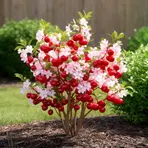
- Specialized
A small woody plant from East Asia grown for smooth red fruit and pale pink or white flowers
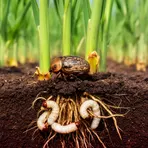
- Specialized
A beetle from Asia whose young eat the roots of grasses like sugarcane


- Archaic
A skin infection from tiny parasites in warm countries that makes open sores

- Specialized
A tall evergreen tree with dark green needles and drooping branches often grown in gardens

- Indian
A small Asian owl with a short body and a soft whistling call at night
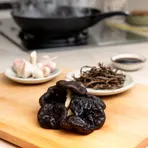


- Informal
A large dark brown cockroach often found in damp, dark places like basements

A plant from eastern Asia like a large chive grown for its leaves and bulbs used for food


- Specialized
A large tree with broad leaves and patchy bark from southern Europe and western Asia

- Specialized
A large garden flower with hairy leaves and bright red, pink and orange papery petals

A mountain range in eastern Mexico that runs along the Gulf of Mexico coast
Surface Forms
Morphology
Etymology
Oriental comes from the Latin oriens, which means 'rising' and points to the place where the sun rises, the 'east'. So oriental originally meant 'from the east' and is used for East Asian art, food, and styles, though many people today prefer 'Asian' when talking about people because oriental can sound dated or offensive.