
oral
 23
7.2
23
7.2

- adjective
- /ˈɔrəl/
- Specialized
- The paper also offers some suggestions toward understanding the sensitivity of oral communications between teachers and students.
- oral phase
Examples
-
So the initial issue that that that that comes up in this oral stage of development is, is safety.
-
Speaking activities include role plays, panel discussions, and oral reports related to the research projects.
Academic text (1990) -
Research supports the pivotal importance of oral practice to English language development (Fillmore & Snow, 2000).
Academic text (2013) -
On Saturday, May 12, Hubble took his final oral examination at Yerkes, before Frost, Barnard, and Parkhurst.
Academic text (1990) -
The child's behavior during the oral stage was characterized by his fascination with putting objects in his mouth.
-
She developed an oral fixation that manifested in her constant chewing of gum.
-
According to Freud, the oral stage is crucial for understanding personality development.
Antonyms
Compounds


- Specialized
4
3.6
A pill women take to prevent pregnancy by stopping the release of an egg


- Specialized
1
3.7
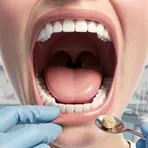
A disease in the mouth when harmful cells grow and form a lump often on the lips or tongue





- Specialized
 1
3.7
1
3.7
A pill taken by mouth that prevents a woman from becoming pregnant


- Specialized
A speech sound made when air leaves only through the mouth, not the nose

- Specialized
A contagious infection that causes painful cold sores on or around the lips

- Jargon
A personality type that comes from early feeding problems and shows strong need for others or selfish, aggressive behavior

- Specialized
First stage of a baby's development when they feel pleasure from sucking and biting

- Specialized
A medicine people take by mouth that contains weakened polio virus to protect them from polio


- Specialized
The first stage of baby development when babies get pleasure from sucking or chewing


- Specialized
A medicine taken by mouth that contains three weakened live polio viruses to protect against polio
Surface Forms
Morphology
oral = or + al
Formed with '-al' from the combining form meaning 'mouth'; the psychosexual sense is specialized, so learners may not predict the clinical usage from basic knowledge.
Etymology
Oral in psychology uses the Latin root oris 'mouth', because the 'oral' stage is when a child's focus is on the mouth, so habits like thumb-sucking are called oral.