

oleaster family
- noun
- /oʊˈliːəstər ˈfæmɪli/
- Specialized
- The Russian olive belongs to the oleaster family and is commonly found along riverbanks.
Examples
-
Plants in the oleaster family are known for their silvery leaves and spiny branches.
-
The oleaster family includes several species of shrubs.
-
Botanists studied the unique fruiting patterns within the oleaster family.
-
Many plants in the oleaster family have spines.
-
Plants in the oleaster family are known for their silvery leaves and spiny branches.
-
The Russian olive belongs to the oleaster family and is commonly found along riverbanks.
-
Botanists studied the unique fruiting patterns within the oleaster family.
Synonyms
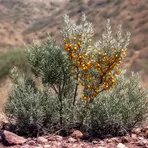
A group of shrubs and small trees that often have thorns and include oleasters
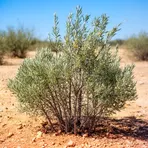
A group of bushes and small trees often with spines, like the Russian olive or oleaster
Surface Forms
Morphology
The phrase is strictly compositional: 'oleaster' names a shrub and 'family' denotes a taxonomic grouping, so a learner who knows both words can infer it denotes the plant family containing oleasters. The noun+family pattern (e.g. 'rose family') is common in botanical naming and cross-linguistically familiar, supporting immediate comprehension.
Etymology
Oleaster family comes from the old word oleaster, which meant a 'wild olive' because these shrubs and small trees often look like olive trees with silvery leaves or small olive-like fruits. That's why oleaster family refers to a 'family' of plants that resemble olives.

