
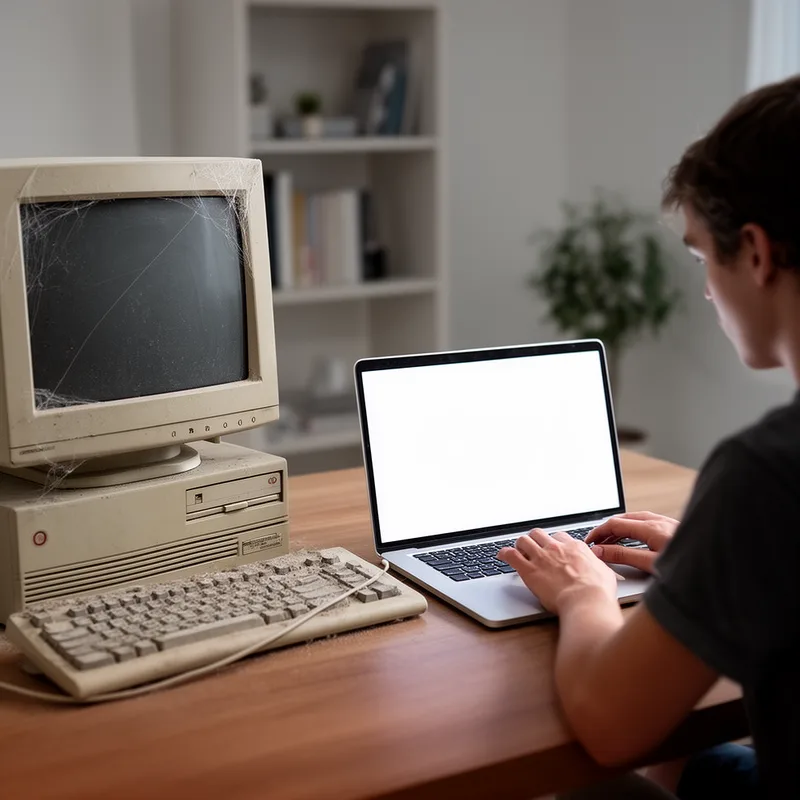
to obsolesce
- verb
- /ˌɑb.səˈlɛs/
- And it's all very subject to being obsolesced by that level of speed and precision and ability to deliver very dangerous kinetic strikes.
Loading YouTube…
Watch on YouTubeAnd it's all very subject to being obsolesced by that level of speed and precision and ability to deliver very dangerous kinetic strikes.
- And it's all very subject to being obsolesced by that level of speed and precision and ability to deliver very dangerous kinetic strikes.
Examples
-
Smartphones have caused traditional cameras to obsolesce for most casual users.
-
I'm obsolescing like this old straw-bottomed cruiser of ours.
-
Few libraries have media preservation specialists on staff, making assessment of rapidly deteriorating and obsolescing collections difficult.
Academic text (2012) -
As new technologies emerge, older ones tend to obsolesce and are no longer used.
-
Many tools became obsolesced after the introduction of more efficient alternatives.
Synonyms

 5
6.9
5
6.9

To stop being used or followed
 1
8.2
1
8.2
People stop using something because new things replace it

To make something no longer useful when something newer replaces it
Antonyms


How Obsolete

Surface Forms
Morphology
obsolesce = obsolete (semi-transparent) = obsolesc + e
The verb's meaning 'become obsolete' is directly related to 'obsolete', but the verb-forming element is rare and not productive in modern English, so learners may not reliably form the verb from the adjective.
Etymology
Obsolesce comes from the Latin obsolescere, which meant 'to grow old', and it is the same root as obsolete. So, to obsolesce is to 'grow old' in use and slowly stop being used, like old technology.