

nullipennate
- adjective
- /ˌnʌlɪˈpɛnˌeɪt/
- Specialized
- The zoologist noted the nullipennate condition of the rare species in her report.
Examples
-
The newly hatched chick was nullipennate and completely bare.
-
Some insects are described as nullipennate if they never develop wings.
-
Look at the nullipennate features!
-
The nullipennate form is fascinating!
-
A nullipennate bird like the ostrich cannot fly due to its lack of feathers.
-
In zoology, a nullipennate species may have adapted to life on land, losing the need for wings.
-
The biologist identified several nullipennate organisms that thrive in their unique environments.
Synonyms

 2
3.5
2
3.5

Not having parts that let birds or insects fly
 1
4.1
1
4.1
An animal, often a bird, that does not have the soft outer covering
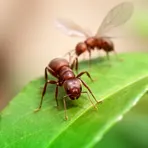
An insect with no wings

Not yet covered in feathers, like a young bird or an arrow
Antonyms

Surface Forms
Morphology
Etymology
Nullipennate comes from the Latin parts nulli- meaning 'none' and pennate from penna meaning 'feather', the same root that gave us the old quill 'pen'. So it literally means 'no feathers', which is why zoologists use it for animals that have no feathers or wings.