

noxiousness
- noun
- /ˈnɒkʃəsnəs/
- The noxiousness of the polluted river made it unsafe for swimming.
Examples
-
Considering the consistency of the findings of the studies mentioned above and the findings of this study, we suspect that noxiousness in cases in this study is due to exposure to this agent.
Academic text (2007) -
Your belief in the noxiousness of night air has always been a family joke.
Fiction book (1997) -
It was also found that OPIDP is not necessarily dependent on previous noxiousness.
Academic text (2007) -
These findings raise a strong question regarding the previous notion that there is no possibility for OPIDP to take place due to the noxiousness of chemical warfare agents.
Academic text (2007) -
Farm workers must be cautious of the noxiousness of certain pesticides they handle.
-
The noxiousness of the smoke made it difficult for the firefighters to breathe.
Synonyms

 39
7.2
39
7.2

How poisonous a substance is to people or animals
 2
6.1
2
6.1
The chance that something will harm people or property
 1
4.8
1
4.8
How much something can hurt people, animals, or things

A strong unpleasant smell or other harmful quality in a place
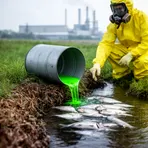
Great harm that can cause death or serious damage
Antonyms

How Harmful


Surface Forms
Morphology
Etymology
The word noxiousness comes from the Latin noxius, meaning 'harmful', and from the root noc-, which means 'to harm' and appears in innocent ('not harmful'). So noxiousness is the state of being harmful, poisonous, or very unpleasant.