
nonvolatilizable
- adjective
- /nɒnˌvɒlətɪˈlaɪzəbl/
- Specialized
- The nonvolatilizable residue left behind suggested the presence of stable inorganic compounds.
Examples
-
Certain plastics are nonvolatilizable and maintain their form.
-
The chemical compound is nonvolatilizable under standard conditions.
-
Bicarbonate is considered a nonvolatilizable buffer in biological systems.
-
Weak acids, such as hydrochloric acid, are not nonvolatilizable and can vaporize under certain conditions.
-
Bicarbonate is considered a nonvolatilizable buffer in biological systems.
-
The nonvolatilizable residue left behind suggested the presence of stable inorganic compounds.
-
The chemical compound is nonvolatilizable under standard conditions.
Synonyms

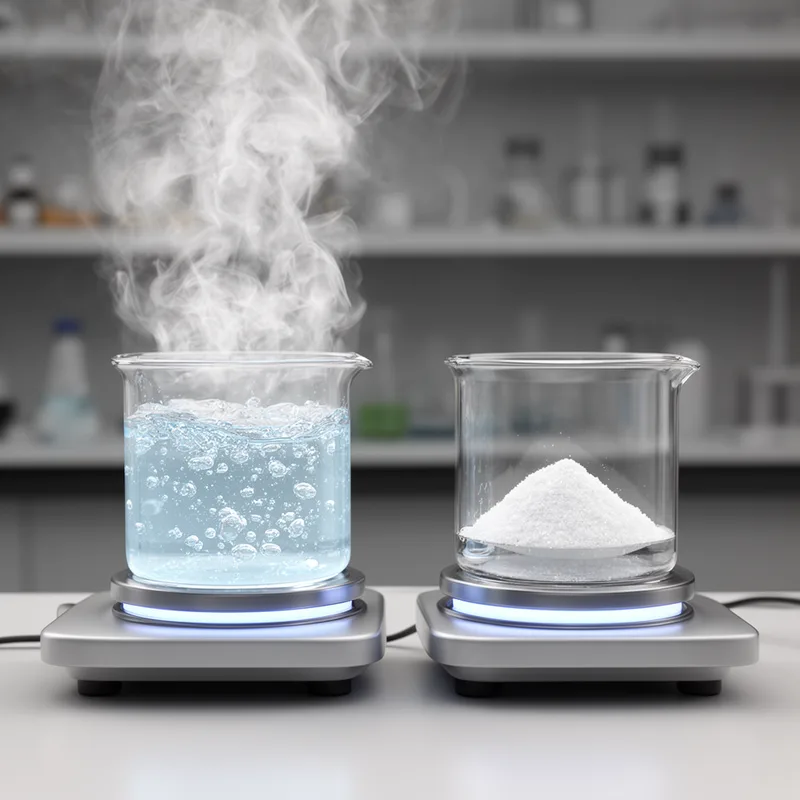
A liquid or solid that does not turn into a gas at room temperature
Antonyms

How Volatile


Surface Forms
Morphology
nonvolatilizable = volatilizable (transparent) = non + volatile + ize + able
Formation is regular: 'volatilizable' (volatile + -ize + -able) with the prefix 'non-' meaning 'not'.
Etymology
Nonvolatilizable starts with non- meaning 'not' and contains volatile, which comes from an old idea of 'to fly' and now helps us think of something that can 'turn into vapor'. So nonvolatilizable means 'not able to turn into vapor' or 'not easily evaporated', which fits its use for substances that stay behind instead of becoming vapor.