

volatile
 17
7.3
17
7.3

- adjective
- /ˈvɑːlətəl/
- Specialized
- We make steel, petroleum products, and volatile chemicals.
- volatile organic compounds
- volatile compounds
- volatile chemicals
Loading YouTube…
Watch on YouTubeThe one of the major volatile fatty acids very present in fecal matter is butyrate.
- The one of the major volatile fatty acids very present in fecal matter is butyrate.
- As such, it uses some highly volatile solvents in order to do it's fast drying and hard drying and excellent sanding.
- It's free from gross admixture, volatile, transparent.
- It tends to be volatile even when it's been dry for a couple of weeks, it tends to rub off and leave residue.
Examples
-
The increased volatile solids content in the sludge can enhance methane production or energy recovery.
Academic text (1998) -
Air stripping, however, releases volatile compounds into the air and may therefore pollute the air.
Academic text (1994) -
Data says it was highly volatile.
-
The process is highly volatile.
-
There might be some volatile compounds there, you know.
-
That would be an example of a volatile organic compound.
-
These chemicals are too volatile.
-
We're going to have a mixture of two volatile components, for instance, water and alcohol.
-
"There may be more than 100 volatile compounds in an individual plant," Beerwinkle adds.
Academic text (1994) -
The mixture contains volatile chemicals that evaporate easily at room temperature.
Synonyms


 1
7.3
1
7.3
Can turn into a gas when heated or at room temperature

Able to turn from a liquid into a gas when heated or left in the open air
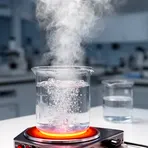
Can become vapor when heated

Able to become a gas when heated
Antonyms

Compounds
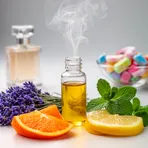
- Specialized
1
5.6
Oil that easily evaporates and gives a plant's smell or taste, often used in perfumes and flavorings



How Volatile
- Specialized
17
7.3

- Specialized
Surface Forms
Etymology
Volatile comes from the Latin volare 'to fly', and long ago people used the idea of 'flying' to talk about liquids that turn into vapor and leave the surface. That's why volatile now describes a substance that evaporates easily at normal temperatures.