
nonsubsistence
- adjective
- /nɑnˈsʌb.sɪ.stəns/
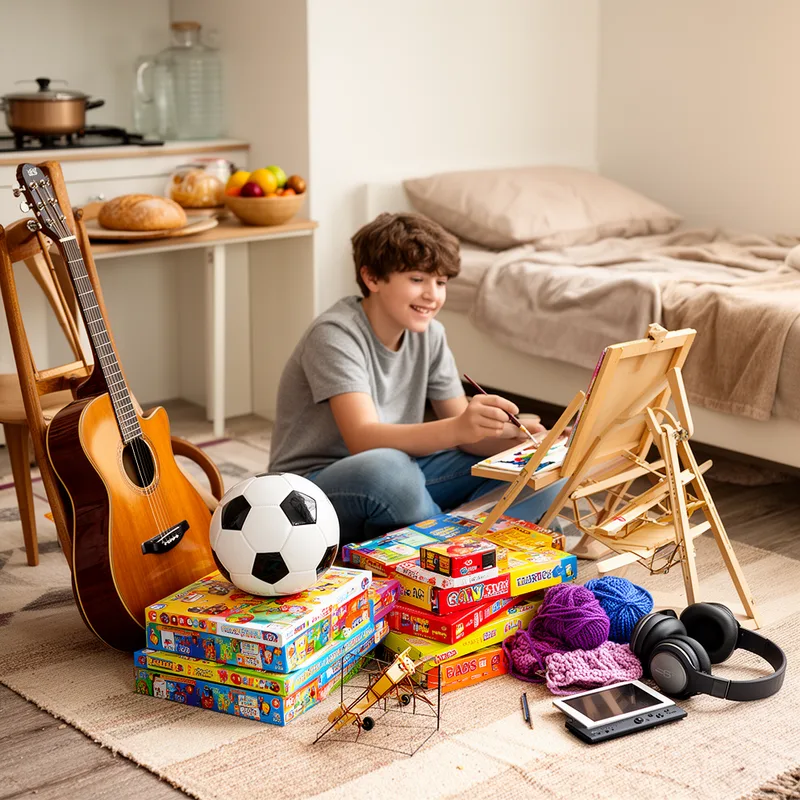
- Luxury items are often categorized as nonsubsistence products that people buy for pleasure rather than necessity.
Examples
-
Instead, growth in living standards should be measured in light of consumption of other nonsubsistence goods.
Academic text (2018) -
This situation presented almost insuperable problems for the nonsubsistence colonial economy, in striking contrast to the scale of agricultural production in the prehistoric economy.
Academic text (2001) -
These numbers suggest that much land is used for something other than agriculture, which we believe supports the assumption that land is dedicated to the production of nonsubsistence items, which in our model are captured as "circuses."
Academic text (2018) -
Many consumers prioritize nonsubsistence expenditures, such as vacations and entertainment, over basic needs.
-
Investing in nonsubsistence goods can enhance quality of life, but it should not compromise essential living requirements.
Synonyms

Not a basic food or thing people need every day

Not necessary for the main part of a plan, idea, or system
Antonyms


How Essential

Surface Forms
Morphology
nonsubsistence = subsistence (transparent) = non + subsist + ence
The adjective is formed by straightforwardly negating the noun 'subsistence' with 'non-', so knowing 'subsistence' allows inference of the meaning.
Etymology
Nonsubsistence combines non- ('not') and subsistence ('basic needs to live'), so a helpful way to remember it is 'not for survival'. So the word describes things not needed to stay alive, like hobbies, extra benefits, or comforts.