
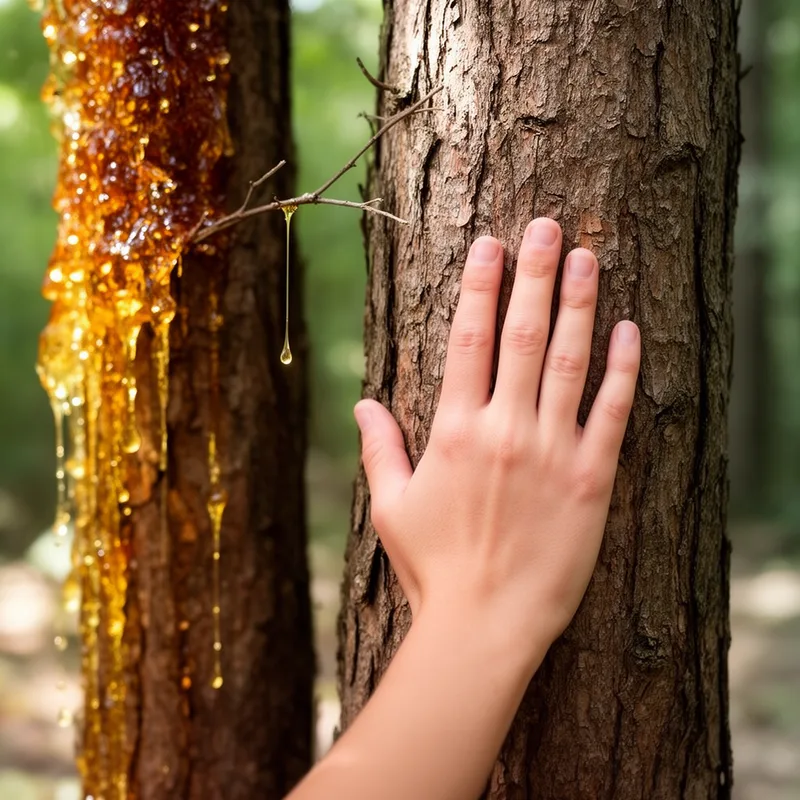
nonresinous
- adjective
- /ˌnɒnˈrɛzɪnəs/
- Specialized
- The tree was classified as nonresinous, making it more suitable for furniture than resinous varieties.
Examples
-
Root resistance to decay was also found to be higher in resinous roots than in nonresinous roots (Ziemer and Swanston 1977).
Academic text (2011) -
Nonresinous woods, such as poplar and birch, are often used in the manufacture of musical instruments.
-
In the workshop, we used nonresinous materials for the project to avoid sticky residue during assembly.
Synonyms
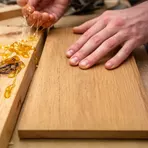
Not containing sticky tree sap
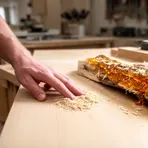
Not containing the sticky material that some trees make
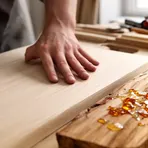
Not having the sticky material that comes from trees
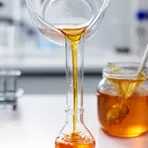
A liquid that flows easily and is not thick like honey
How Resinous
 1
7.3


- Specialized
Surface Forms
Morphology
Etymology
Nonresinous breaks into non- ('not'), resin ('a sticky substance like tree sap'), and -ous ('full of'). So nonresinous means 'not full of resin', which is why it describes wood or materials that are not sticky or do not contain resin.