
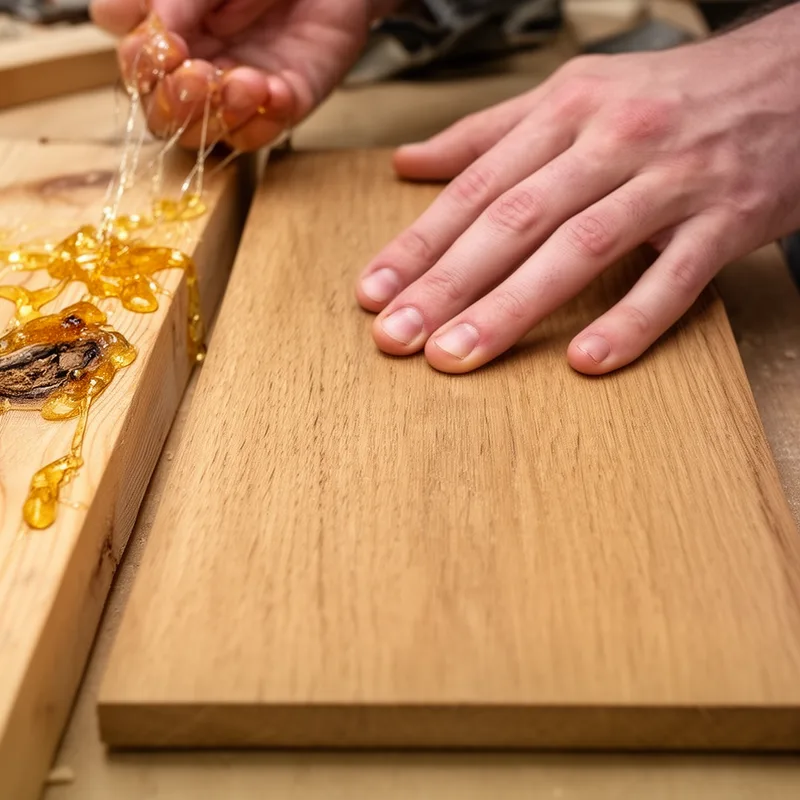
non-resinous
- adjective
- /nɒnˈrɛzɪnəs/
- Specialized
- Pine is a resinous wood, while oak is usually considered non-resinous.
Examples
-
The craftsman prefers non-resinous woods for fine furniture making.
-
This wood is non-resinous and ideal for furniture.
-
For this experiment, use only non-resinous materials to avoid contamination.
-
I prefer non-resinous materials for my projects.
-
For this experiment, use only non-resinous materials to avoid contamination.
-
The craftsman prefers non-resinous woods for fine furniture making.
-
This wood is non-resinous and ideal for creating fine art pieces.
Synonyms
Having no sticky sap that some trees make
Antonyms

How Resinous
 1
7.3

- Specialized
Surface Forms
Morphology
Etymology
Non-resinous breaks into non- meaning 'not' and resin meaning 'sticky tree sap', so it describes something that does not have that sticky sap. So, non-resinous means 'not containing or producing resin', for example wood that does not have the sticky sap found in pine.