

nonparticulate radiation
- noun
- /nɒnˈpɑːrtɪkjʊlɪt ˌreɪdiˈeɪʃən/
- Specialized
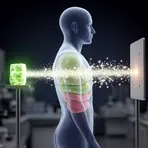
- X-rays and gamma rays are types of nonparticulate radiation used in medical imaging.
Examples
-
Unlike alpha particles, nonparticulate radiation does not consist of matter but of pure energy.
-
Ultraviolet light is a form of nonparticulate radiation that can harm living tissues.
-
The scientist studied nonparticulate radiation in detail.
-
Can nonparticulate radiation affect human health?
-
Ultraviolet light is a form of nonparticulate radiation that can harm living tissues.
-
X-rays and gamma rays are types of nonparticulate radiation used in medical imaging.
-
Unlike alpha particles, nonparticulate radiation does not consist of matter but of pure energy.
Synonyms

 7
4.2
7
4.2

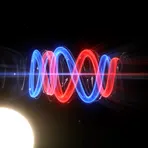
Waves of energy like radio, visible light, and X-rays that move through space
 4
4.2
4
4.2
A wave of energy made of changing electric and magnetic fields that travels at the speed of light
Antonyms
- Specialized

 1
8.1
1
8.1
A stream of very small bits of matter, like atoms, that carries energy and can pass through things
Surface Forms
Morphology
The phrase is a straightforward composition: 'nonparticulate' means 'not composed of particles' and 'radiation' means emitted energy, so a learner can deduce it refers to radiation in the form of waves/fields rather than particles. Although somewhat technical, the semantic parts combine transparently and similar distinctions (wave vs particle) exist in many languages, so a B1 learner who knows both constituents should be able to infer the meaning.
Etymology
The term nonparticulate radiation combines nonparticulate, meaning 'not made of particles', and radiation, meaning 'energy that moves away from a source'. Think of it as energy moving like waves or ripples in water instead of little balls, so nonparticulate radiation means light, X-rays, or gamma rays and is 'pure energy' rather than matter.