
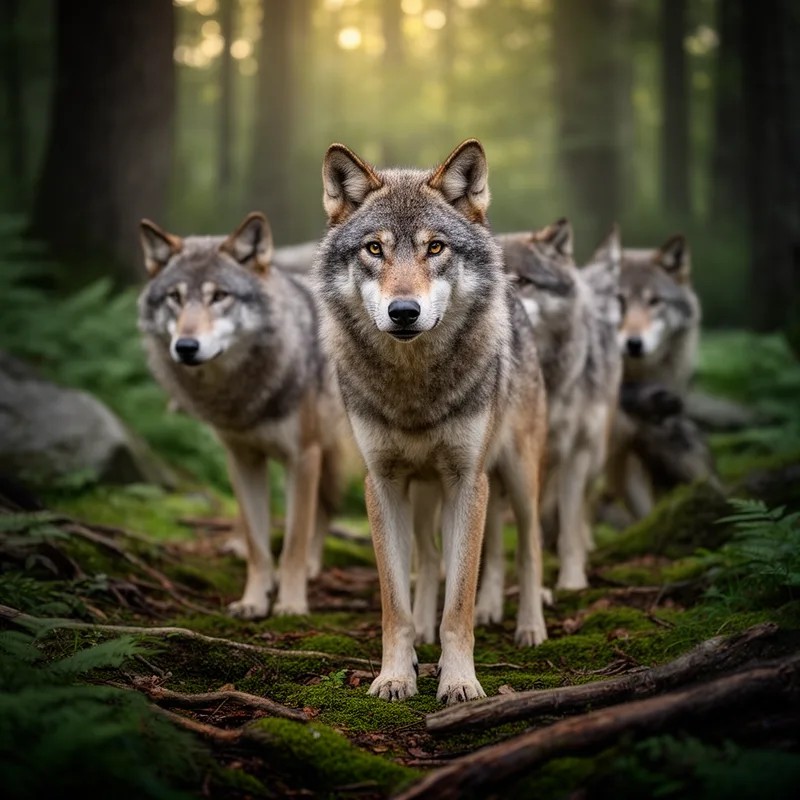
nondomesticated
- adjective
- /ˌnɒnˌdɒmɛstəˈkeɪtɪd/
- Although it is possible to argue that there is a difference between the terms (Hunn and Williams 1982; Ingold et al. 1988), it seems more semantical than real and reflects the fact that there is a spectrum of subsistence systems possible that are based primarily on the acquisition of nondomesticated plant and animal products.
- nondomesticated animals
Examples
-
How will changes in land use and climate affect the prevalence and rates of transmission of diseases among nondomesticated animals?
Academic text (2011) -
Diseases may be transmitted among nondomesticated animals, from wild animals to livestock and to humans, or from livestock to wild animals.
Academic text (2011) -
Are they remnants of ancient, pre-agricultural hunter-gatherers, or are they rather the result of a market demand for nondomesticated products?
Academic text (1991) -
Nondomesticated animals often exhibit behaviors that are crucial for their survival in the wild.
-
The forest is home to many nondomesticated species that thrive without human intervention.
-
Scientists study nondomesticated creatures to learn more about their natural habitats and instincts.
Synonyms

 15
3.8
15
3.8

In a natural state that people do not tame, like wild animals or places
 1
7.1
1
7.1
Living in the wild and not kept or bred by people


 1
5.5
1
5.5
Living in the wild, not kept or tamed by people

Wild and difficult to control
Antonyms

How Domestic

Surface Forms
Morphology
nondomesticated = domesticated (transparent) = non + domestic + ate + d
The adjective 'domesticated' means 'tamed', and the prefix 'non-' straightforwardly negates it, so the overall formation is directly comprehensible.
Etymology
Nondomesticated starts with non- meaning 'not' and the second part is domesticated, related to domestic meaning 'home' or animals 'tamed' to live with people. So nondomesticated describes an animal that is 'not' tamed and lives in the 'wild'.