
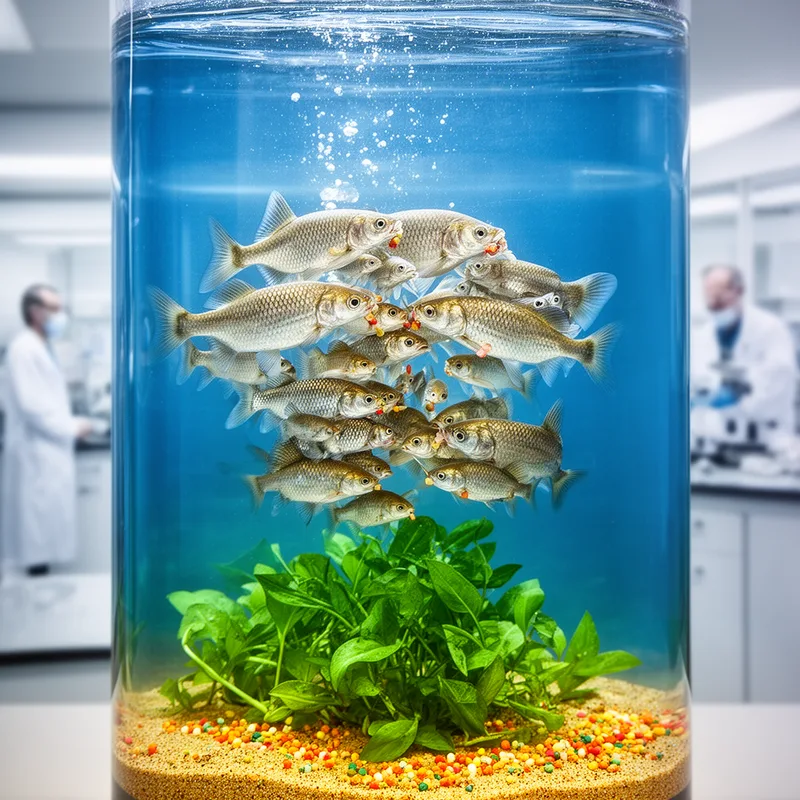
noncannibalistic
- adjective
- /nɒnˌkænɪbəˈlɪstɪk/
- Although stickleback in noncannibalistic populations also forage in large groups, they feed closer to the surface, never descending to the lake bottom.
Examples
-
Zigzag dances were prominent in three-quarters of all courtships, and they were intermediate in vigor between those in Hotel Lake and those in the noncannibalistic populations.
Academic text (1990) -
In a noncannibalistic society, people share resources instead of preying on one another.
-
noncannibalistic lions in the reserve coexist peacefully with other wildlife.
-
The research focused on noncannibalistic species that thrive in diverse ecosystems.
Antonyms

How Cannibalistic
- Offensive
 6
8.4

Surface Forms
Morphology
noncannibalistic = cannibalistic (transparent) = non + cannibal + istic
Built from the adjective 'cannibalistic' with a straightforward negating prefix 'non-', so the negated meaning is directly recoverable.
Etymology
The word noncannibalistic is made of non- ('not') and cannibal ('someone who eats members of their own kind'), so it literally means 'not a cannibal'. That's why a noncannibalistic animal does not eat others of its own species.