

non-miscible
- adjective
- /nɒnˈmɪsəbl/
- Specialized
- Oil and water are non-miscible and will separate into layers when combined.
Examples
-
The chemist explained that certain solvents are non-miscible with water, so they must be mixed carefully.
-
Oil and water are non-miscible liquids.
-
The product instructions cautioned against using non-miscible liquids together.
-
The two substances are non-miscible in nature.
-
Oil and water are non-miscible and will separate into layers when combined.
-
The chemist explained that certain solvents are non-miscible with water, so they must be used separately.
-
When mixed together, the non-miscible liquids formed two distinct layers.
Synonyms

Two liquids that do not mix, like oil and water
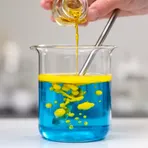
Cannot combine with another substance to form a single even material
Antonyms
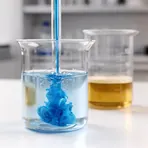


How Miscible
- Specialized

 1
8.4
1
8.4

- Specialized
Surface Forms
Morphology
Etymology
Non-miscible is made of non- meaning 'not' and miscible meaning 'able to be mixed', which comes from an old word for 'to mix' and is the same idea as the simple English word mix. So, non-miscible describes liquids that 'cannot mix' into one layer and stay separate.