
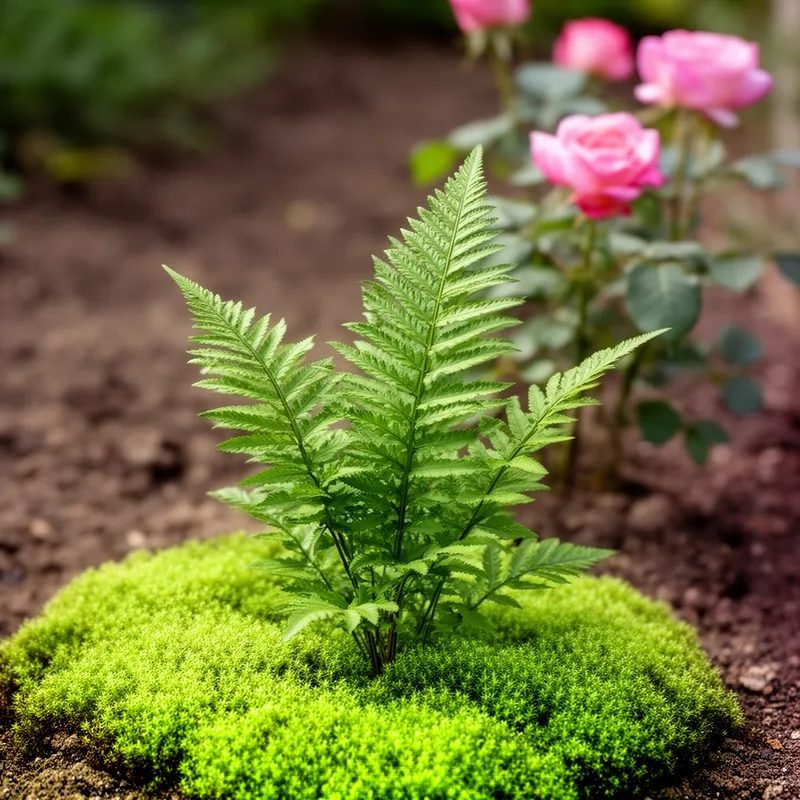
non-flowering plant
- noun
- /nɑn-ˈflaʊərɪŋ plænt/
- Specialized
- Algae are classified as non-flowering plants because they do not produce flowers.
Examples
-
Mosses are examples of non-flowering plants.
-
Some gardens include non-flowering plants like evergreens for year-round greenery.
-
Ferns are a common type of non-flowering plant found in forests around the world.
-
Unlike roses, which bloom in spring, mosses are non-flowering plants and reproduce by spores.
-
A non-flowering plant can thrive in low light.
-
Mosses and ferns are examples of non-flowering plants that thrive in moist environments.
-
Many gardeners appreciate the beauty of non-flowering plants like ferns and conifers in their landscapes.
Antonyms


How Often
- Specialized

- Specialized
Surface Forms
Morphology
non-flowering + plant
The structure is fully compositional: 'non-' expresses negation and 'flowering' means producing flowers, so combined with 'plant' it straightforwardly yields 'a plant that does not produce flowers.' This negation + noun pattern is regular and cross-linguistically common, so a B1 learner who knows the constituent parts will readily infer the meaning.
Etymology
Non-flowering plant names a plant that is non-flowering — imagine green ferns, moss, or pine trees that never show bright flowers but make spores or cones instead. So, the phrase means 'a plant that does not produce flowers'.