

noddy


 1
9.9
- noun
- /ˈnɒdi/
- Offensive
- Everyone laughed when he acted like a noddy at the party, forgetting to wear a costume on Halloween.
Examples
-
Hey, come on, noddy's got his money, we're going down the boozer to get some scotch down his throat.
-
Stand up there, "noddy."
-
She felt embarrassed for being called a noddy after making such a silly mistake in front of her friends.
-
The teacher warned him not to be a noddy and to think carefully before answering the questions.
Synonyms
 61
9.9
A rude word for someone who does something very stupid
 34
7.9
A person who acts silly and not very smart
 23
8.7
A person who makes silly mistakes
 20
7.3
A person who is not very smart and trusts people easily
 16
8.8
A person who is silly and not very smart
 15
8.4
A person who behaves in a silly or foolish way
 14
9.9
A person who acts silly or clumsy and makes others laugh
 13
8.4
A person who acts in a very silly way
 10
9.2
A person who behaves foolishly and who others often insult with this word
 7
9.1
A person who is silly and acts foolishly
 5
7.8
A person who is slow to understand things
 4
9.2
A person who is silly and not thinking clearly
 3
9.9
Someone who behaves in a silly or foolish way
 3
9.9
A person who behaves in a silly or stupid way
 2
9.5
A person who is silly and not serious
 2
9.8
A person who behaves in a silly or foolish way
 2
9.9
A man who is ordinary and not very smart
 2
9.5
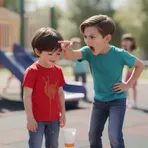
A childish name used to call someone silly
 1
9.9
A foolish person who often does stupid things
 1
8.8
A person who behaves in a silly or foolish way
 1
9.1
A playful insult for a person who acts silly
 1
9.8
A rude word for a person who is very stupid
 1
8.4
A person who behaves in a foolish or silly way
 1
8.4
A rude word for someone who is not smart
 1
9.9
A person who acts in a silly, foolish way
 1
9.9
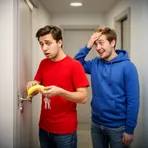
A silly or foolish person used as an Australian insult
 1
9.9
A person who is silly and not very clever
 1
9.9
A foolish or silly person said as an insult
 1
9.9
A person who is foolish and easily tricked
 1
9.9
A foolish person who makes simple mistakes
 1
9.9
A person who behaves in a silly way
 1
9.9
A person who behaves in a foolish way
 1
9.9
An old word for a person who is foolish or slow to understand
 1
9.9
A donkey or a person people think is foolish
 1
9.9
A rude slang name for someone who acts foolish or makes silly mistakes
 1
9.9
A clumsy person who often makes silly mistakes
 1
9.9
An insulting word for a rude or stupid person
 1
9.9
A foolish or awkward person

A person who acts very foolishly and cannot do simple tasks

A person who acts silly or foolish

A person who is simple and easily fooled

A foolish person who does silly things

A person who is not very smart

A person who acts foolishly because of new trends or technology
How Intelligent

Surface Forms
Morphology
Etymology
Noddy probably comes from the English word nod and the ending -y, so it originally meant 'one who nods' or someone who is simple and easily led. That's why noddy now means a foolish or simple-minded person.