
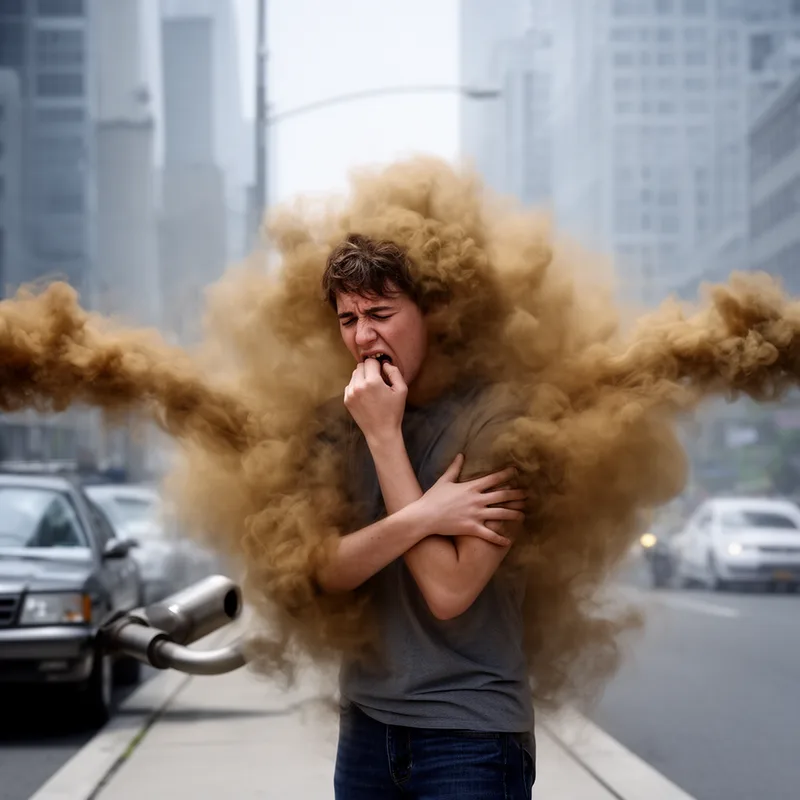
nitrogen dioxide
- noun
- /ˈnaɪtrədʒən daɪˈɑːksɪd/
- Specialized
- Specifically, sea-level ozone is formed when sunlight splits nitrogen dioxide into nitric oxide and atomic oxygen.
- nitrogen dioxide into nitric oxide
Examples
-
Due to its stable liquid states, it exists in equilibrium with nitrogen dioxide, which has a brown orange tint.
-
So the brown nitrogen dioxide is being swept into that cupboard there.
-
Now nitrogen dioxide gas and ozone are produced in the atmosphere.
-
These, in turn, react with nitric oxide to form nitrogen dioxide.
Academic text (1996) -
By generating even more nitrogen dioxide than was produced by combustion, these peroxides contribute more of the source material that sunlight will turn into ozone.
Academic text (1996) -
In urban areas, high levels of nitrogen dioxide can significantly impact air quality and public health.
-
The researchers measured the concentration of nitrogen dioxide in the atmosphere to study its effects on respiratory health.
-
During the smog event, exposure to nitrogen dioxide rose above safe levels, prompting health warnings for residents.
Synonyms
 3
4.6
3
4.6

Gases made of nitrogen and oxygen that pollute the air, often from vehicle engines
Surface Forms
Morphology
The term is fully compositional: 'nitrogen' + 'dioxide' denotes a nitrogen compound with two oxygen atoms following standard chemical naming. A B1 learner who knows the constituents can infer it is a nitrogen oxide gas (and likely understand it as a type of air pollutant), even if finer details like its colour or toxicity require extra domain knowledge.
Etymology
The compound nitrogen dioxide is named from its parts: nitrogen and dioxide, where the 'di-' part means 'two', so imagine one nitrogen wearing two oxygen 'hats' to remember it. That's why the name tells you it is a gas made of one nitrogen plus two oxygens and why it refers to the brown, harmful air pollutant.