
nidifugous
- adjective
- /ˌnɪdɪˈfjuːɡəs/
- Specialized
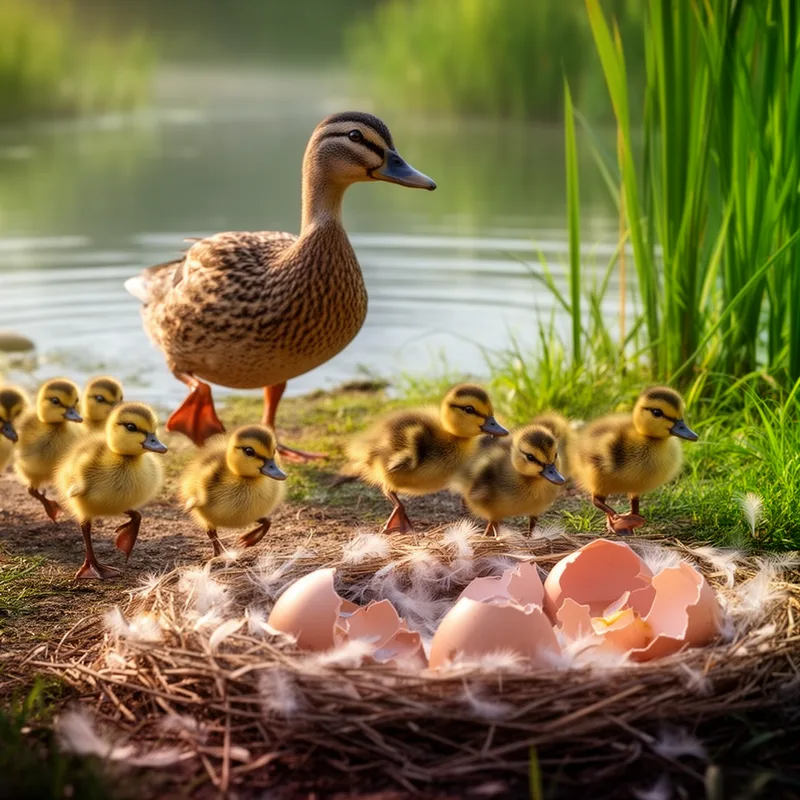
- Ducklings are nidifugous, leaving the nest soon after they hatch and following their mother.
Examples
-
The nidifugous chicks quickly left their nest after hatching.
-
Unlike most songbirds, precocial species such as quails are nidifugous.
-
Because they are nidifugous, young shorebirds are able to feed themselves almost immediately after hatching.
-
Many nidifugous species are found in tropical regions.
-
Because they are nidifugous, young shorebirds are able to feed themselves almost immediately after hatching.
-
Ducklings are nidifugous and leave the nest as soon as they hatch to follow their mother.
-
Unlike most songbirds, precocial species like quails are considered nidifugous because they leave the nest shortly after hatching.
Antonyms
How Dependent
- Specialized


 1
9.9

- Specialized
- Specialized
- Specialized
1
9.9
Surface Forms
Etymology
The word nidifugous comes from the Latin words nidus 'nest' and fugere 'to flee', and it shares the same root as fugitive. So, a nidifugous bird is one that 'flees the nest', meaning it leaves soon after hatching.