
altricial


 1
9.9
- adjective
- /ælˈtrɪʃəl/
- Specialized
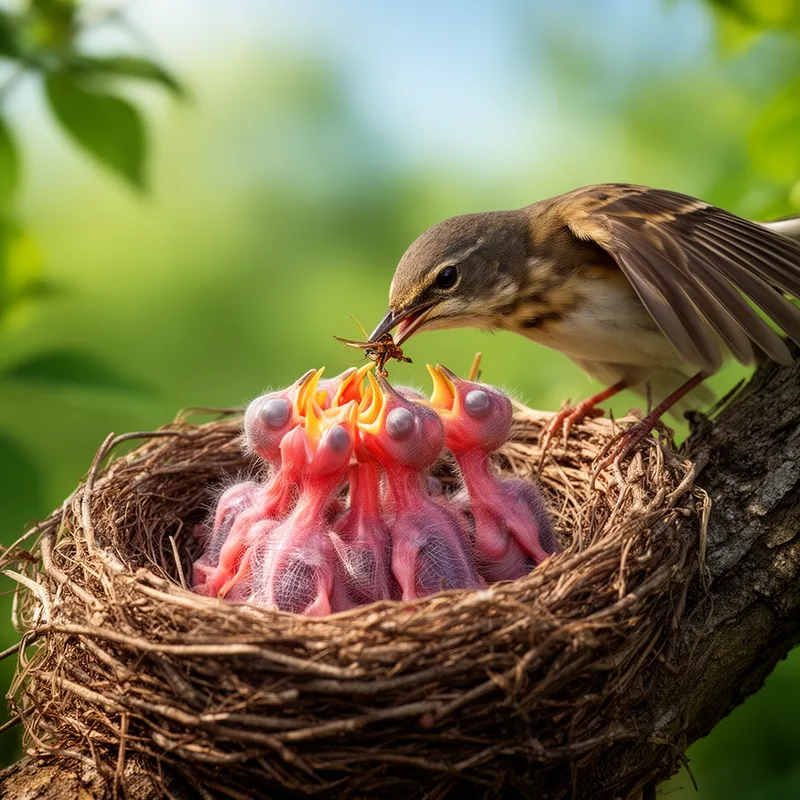
- The young of altricial birds, such as sparrows and robins, rely on their parents for food and protection until they can fend for themselves.
Examples
-
This "misplaced parental care" hypothesis helps explain why cooperative breeding is three times more likely to evolve in taxa that produce altricial (helpless) young rather than precocial young (those that are soon able to survive on their own).
Academic text (2009) -
Many altricial species, like songbirds, stay in the nest for several weeks, depending on their parents to provide nourishment during their early development.
-
For example, in altricial animals, there is a greater content of hyaluronic acid, a proteoglycan functionally designed for its hydrophilic properties but not particularly strong.
Academic text (1995) -
More extensive child care was inevitable due to a second altricial condition that the neonatal brain size will triple in size compared with the doubling in size of the ape.
Blog text (32) -
Animals with altricial young (born or hatched in an undeveloped state, requiring parental care), such as primates and some birds, will form pair bonds or colonies to share some of the parental investment.
Blog text (32) -
When studying animal behavior, researchers often observe how altricial young require more care and feeding from their parents compared to precocial species.
Synonyms
Staying in the nest after hatching or birth and needing parents' care
Antonyms
- Specialized
1
9.9
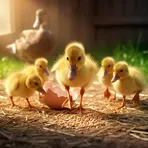
Young animals like birds born able to see and move soon after birth or hatching
How Dependent
- Specialized
1
9.9

- Specialized
- Specialized
- Specialized
1
9.9
Surface Forms
Etymology
Altricial comes from the Latin root alere, which means 'to feed' or 'to nourish', so it describes baby animals that are born helpless and must be fed and cared for by their parents.