

neurosensory


 1
7.0
1
7.0
- adjective
- /ˌnjʊəroʊˈsɛnsoʊri/
- Specialized
- An optical coherence tomogram revealed a neurosensory detachment of the right macula (Figure 2).
- neurosensory detachment
Examples
-
The use of implantable hearing aids and cochlear implants as an aid to neurosensory deafness is becoming an established procedure.
Academic text (1995) -
Dilated fundus exam of the right eye showed an elevated neurosensory detachment and macular pigment epithelial changes (Figure 1).
Academic text (2007) -
PHOTO (BLACK & WHITE): Figure 1: Right side fundus photo revealing elevated neurosensory detachment and macular pigment epithelial changes above the fovea.
Academic text (2007) -
Certain conditions affect the body's ability to process sensory information, leading to various neurosensory disorders.
-
Advancements in technology have improved our understanding of neurosensory pathways in the treatment of hearing impairments.
-
Research into neurosensory functions has unveiled how the brain interprets different types of sensory stimuli.
Synonyms
 6
3.9
6
3.9
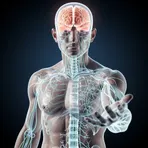
Carrying signals from the skin and sense organs to the brain and spinal cord
 1
9.1
1
9.1
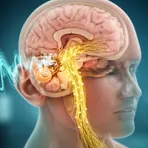
Relating to the nerves that send information to the brain, especially in the ear
 1
9.5
1
9.5
Relating to feelings from the body such as touch, pain, and temperature
 1
7.4
1
7.4
Describes things that relate to the senses, like sight or touch
Surface Forms
Morphology
Etymology
Neurosensory combines neuro- meaning 'nerve', as in neuron, and sensory from 'sense', so it describes the nervous system's work of sensing things.