

neovascularization
- noun
- /ˌniːoʊˌvæskjʊləraɪˈzeɪʃən/
- Specialized
- PDR is characterized by retinal neovascularization due to hypoxia that produces abnormal blood vessels that bleed and leak into the retina.
- retinal neovascularization
- neovascularization process
Examples
-
PDR is characterized by retinal neovascularization due to hypoxia that produces abnormal blood vessels that bleed and leak into the retina.
Academic text (2018) -
A detailed ophthalmological assessment of the eye is necessary to identify the type of uveitis, the extent of disease within the eye, and the presence of complicating factors such as cataract, glaucoma, neovascularization, and retinal detachment.
Academic text (1991) -
Retinal neovascularization, as mentioned earlier, is the last stage of DR, which is characterized by abnormal proliferation, and this process is tightly controlled by inhibitors and stimulators of angiogenic factors.
Academic text (2018) -
In wet AMD, abnormal blood vessels at the back of the eye proliferate uncontrollably—a process called neovascularization—and then begin to leak into the retina.
-
Scientists are looking at a wide variety of therapies and agents to stop the neovascularization process, according to Dr. Criswell, a recipient of pilot project funding for AMD research.
Synonyms
 3
8.4
3
8.4

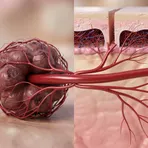
The growth of new blood vessels during healing or in tumors
How Severe
- Specialized

- Specialized
Surface Forms
Morphology
neovascularization = vascularization (semi-transparent) = neo + vascular + ization
The word is built regularly from 'neo-' + 'vascularization', but the medical sense is specialized enough that it is not fully transparent for an average learner.
Etymology
Neovascularization comes from neo- 'new' and vascular from a root meaning 'vessel', like the English word vessel. So it literally means 'making new vessels', and in medicine it often names too much or misplaced new blood vessel growth that can cause disease, for example in the eye or in tumors.