

monophonic music
- noun
- /ˌmɒnəˈfɒnɪk ˈmjuːzɪk/
- Specialized
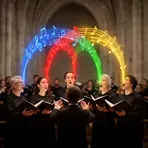
- Gregorian chant is one of the best-known forms of monophonic music.
Examples
-
Early Western church music was primarily monophonic music before the development of harmony.
-
Students in music history class studied examples of monophonic music from medieval times.
-
I enjoy listening to monophonic music in the evenings.
-
Have you ever tried monophonic music during meditation?
-
Gregorian chant is one of the best-known forms of monophonic music.
-
Students in music history class studied examples of monophonic music from medieval times.
-
Early Western church music was primarily monophonic music before the development of harmony.
Synonyms

A single melody sung or played without any harmony
Antonyms
- Specialized
Music with two or more separate melody lines sounding at the same time
How Polyphonic

Surface Forms
Morphology
Given knowledge of the constituents, the meaning is directly compositional: 'monophonic' denotes a single melodic line and 'music' names the art form, so together they straightforwardly mean 'music consisting of a single melodic line.' The structure is a standard adjective + noun combination (and similar labels exist in other languages), so a B1 learner who knows the two words would readily understand it.
Etymology
The noun monophonic music comes from mono ('one') and phonic ('sound'), giving the image of a single sound or melody, like a group of singers all singing the same tune together. That's why it means 'music with just one melody and no other parts'.

