
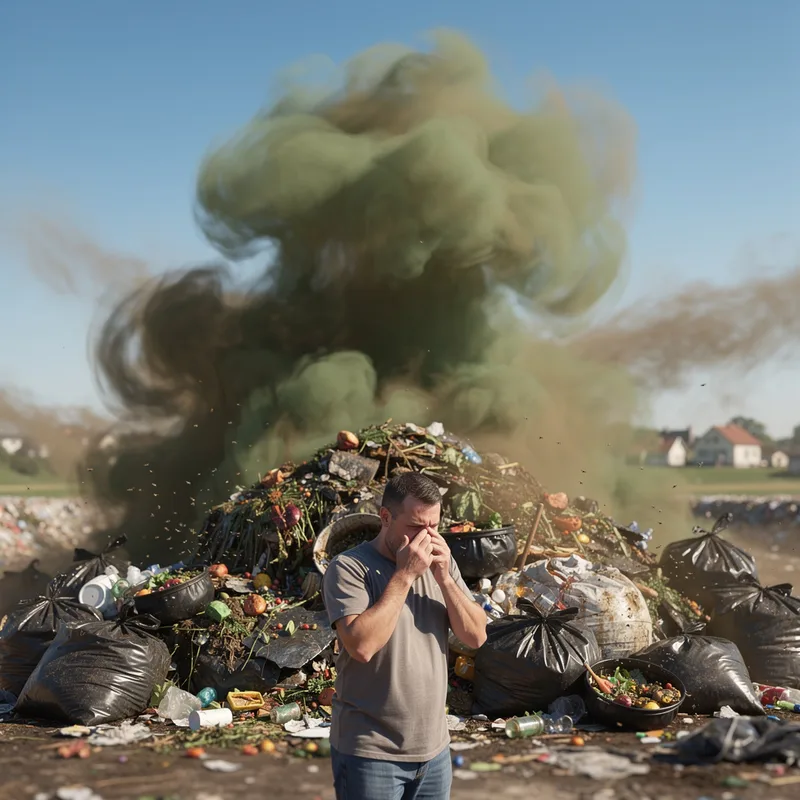
miasma
 1
9.9
1
9.9

- noun
- /maɪˈæzmə/
- Archaic
- According to miasmatic theory, plague patients were contaminated by the most dangerous type of miasma; the air of the room was also contaminated by it (6).
Examples
-
But the prevailing theory among the people of London was that cholera arose from miasma, or vapors from the Thames.
-
The open door had made no difference, and now the air hung in the hut like a miasma around Flowers, around his cot.
Fiction book (1990) -
The theory was that miasma was the only cause of epidemic disease.
Academic text (2013) -
I have been assigned to edit this miasma!
-
So what Snow did was he rejected the miasma theory and believed there was some toxic agent that was invading the body.
-
The introduction of Van Helsing, however, shifts the representation of disease from miasma to the germ.
Academic text (2007) -
Paul smelled spring behind the eternal Chicago miasma of stockyard offal and horse manure.
Fiction book (1993) -
Miasma was the corruption or pollution of the air by noxious vapors containing poisonous elements caused by rotting putrid matter.
Academic text (2013) -
After the damp hallway, the heat of Twenty-fifth Street hit him in a musty wave, a stifling miasma compounded of decay, dirt, and unwashed humanity.
Fiction book (1993) -
The miasma of smoke from the burning tires made it hard to breathe outside.
Synonyms

Antonyms

Compounds

How Unpleasant

Surface Forms
Etymology
Miasma comes from an old Greek word miasma meaning 'stain' or 'pollution'. People once thought this 'pollution' in the air — bad vapour from swamps or rotting things — caused disease, so miasma means an unpleasant or unhealthy smell or vapor.