

may fish
- noun
- US
- The distinctive black bars make the may fish easy to identify among other coastal species.
Examples
-
Researchers are studying the habitat of the may fish along the Gulf Coast.
-
Many anglers enjoy catching may fish in the summer.
-
Local fishermen often catch may fish in the shallow waters near the marshes.
-
The may fish is known for its distinctive black stripes.
-
Local fishermen often catch may fish in the shallow waters near the marshes.
-
The distinctive black bars make the may fish easy to identify in the coastal waters.
-
Researchers are studying the habitat of the may fish to learn more about its behavior.
Synonyms

A small striped fish that lives in shallow bays and marshes on the United States Atlantic and Gulf coasts
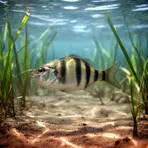
A small fish with dark bars that lives in shallow coastal waters and marshes

A small fish with dark bars that lives in coastal marshes and bays
Surface Forms
Morphology
may + fish
This is a transparent modifier+head compound: a learner who knows 'May' (the month or name) and 'fish' will infer it denotes a kind of fish associated with or named after May. They may not predict the species' specific black-striped coastal habitat, but the basic referential meaning 'a type of fish' is compositionally predictable.
Etymology
May fish probably comes from the words may and fish, because these black-barred fish move into shallow bays and marshes in the month May. That picture of fish arriving in May with dark bars helps explain why the name now means this coastal fish.

