
mass action
- noun
- Specialized
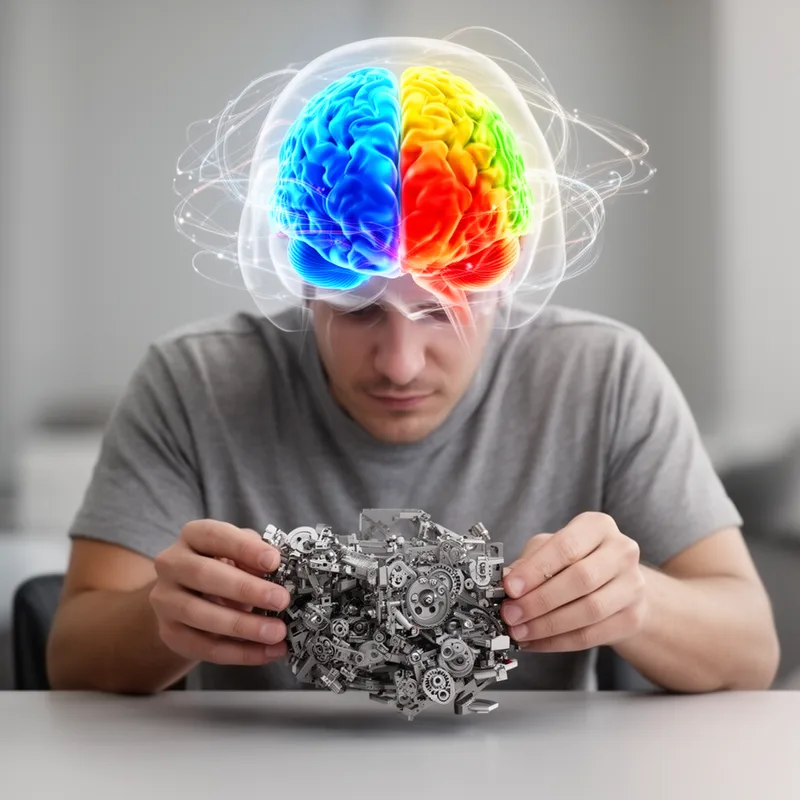
- The principle of mass action suggests that the cerebral cortex functions cohesively when performing complex tasks.
Examples
-
In psychology, mass action indicates that various interconnected areas of the brain collaborate to achieve intricate thoughts.
-
Researchers found that the mass action theory is essential for understanding how the brain coordinates multiple functions.
-
And here is the law of mass action, the non equilibrium global mass action.
-
It seems probable that, as mass action causes a recasting of the relation between the people and the nation, the figure of the peasant is being resemanticized as well.
Academic text (1990)
Synonyms

A theory that large areas of the brain work together for complex tasks
How Widespread
- Specialized

- Specialized


 1
8.0
1
8.0
Surface Forms
Morphology
The combination 'mass' (large amount) + 'action' (activity/effect) gives a clear clue of large-scale or collective activity, so learners can infer a general sense of widespread effect. However, the specific neuroscientific meaning (a technical principle about cortical unity and distributed processing) is specialized and not fully predictable from the constituents, and the phrase is ambiguous across domains, so it is only partially transparent.
Etymology
Mass action may come from the image of a mass, a big group, all in action, like a crowd moving together. So in the brain this picture means many large areas help at once, which is why the phrase describes the brain 'working as a whole' rather than in tiny separate parts.