
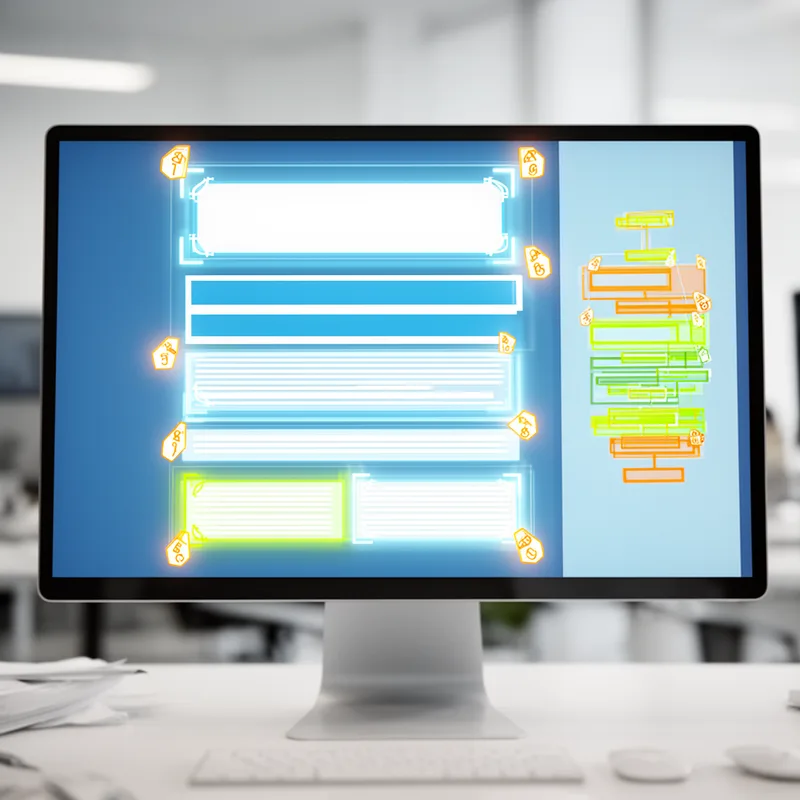
marked-up


 1
4.9
1
4.9
- adjective
- /ˈmɑrkɪd ʌp/
- Texting
- I talked about the subcode of say, this code, which is pretty badly marked up by now, but let me keep using it.
Examples
-
Was there anything marked up?" Ortega rolled his eyes heavenward, emitted a faint whistle.
Fiction book (1995) -
The resulting marked-up 3-D objects can be communicated to other participants in the manufacturing chain in two ways: either online in real time or via standard e-mail using the Netscape Navigator Web browser.
Academic text (1996) -
So this image here details one of our marked up drawings.
-
WnW is so highly marked up and not easy to find here.
Blog text (14) -
It's, it's tremendously marked up through all these layers of, of intermediaries.
-
Below that, though, is a dedicated CSS editor that marks up the content in the WYSIWYG/HTML above and allows you to create the design for your ad (see screenshot below for an example).
Blog text (8) -
The website was marked-up in HTML to ensure it displays correctly across different devices.
-
In this course, we will learn how to create marked-up documents using XML for better data handling.
-
The presenter shared a marked-up PDF file to highlight important sections for the audience.
How Structured

Surface Forms
Morphology
marked-up = mark up (transparent) = mark + up + ed
The adjective is the past-participial/adjectival form of 'mark up' and specifically refers to being annotated with markup (e.g., HTML/XML), so the relation to the base is clear.
Etymology
The word marked-up in computing comes from markup, made of mark ('a sign') and up, meaning 'add marks'. Printers and editors once put marks on pages to show layout, and computers used the same idea in HTML, so a 'marked-up' file has special marks or tags that tell programs how to show the content.