

mandible
 2
5.1
2
5.1

- noun
- /ˈmændɪbəl/
- Specialized
- During feeding, the insect's mandibles move rapidly to bite and hold onto the leaf.
Examples
-
The ants use their mandibles to grasp and carry food back to their nest.
-
So we have this mandible of some insect, right?
-
Only after food or an enemy is located with the antennae... ...are the savage mandibles put to work.
-
The mandibles move independently of each other, slowly inching the prey into their throat.
-
Note how the mandibles are used to grasp the pebble and pull it aside... ...with only a slight assist from another ant.
-
Leaf-cutting ants travel from their nests to trees and hack off bits of leaves, which they grip in their mandibles.
Academic text (2000) -
When excavating their burrows, female cicada killers loosen the soil by biting at the compact earth with their mandibles.
Academic text (2002) -
The museum displayed a large model of a prehistoric creature with impressive mandibles designed for crushing shells.
Synonyms
 222
1.0
222
1.0
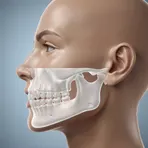
One of the two bones that form the mouth and hold the teeth, especially the lower one that moves
 10
2.5
10
2.5
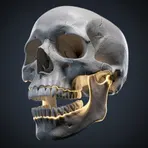
A bone that forms the jaw and lets the mouth open
 6
2.2
6
2.2
The bottom bone in the face that moves up and down to open the mouth


 1
3.0
1
3.0
The bone at the bottom of the mouth that moves to open and close it
 1
5.5
1
5.5
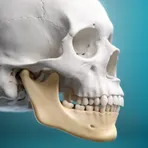
A bone in animals that forms the lower jaw and lets the mouth open and close

The lower jawbone in animals attached by a hinge to open and close the mouth
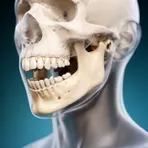
The lower jaw bone that holds the lower teeth and opens the mouth
Compounds

- Specialized
A thin triangular part at the front top of the lower jaw where a chewing muscle attaches
Surface Forms
Etymology
The word mandible comes from the Latin mandibula, from the root mandere meaning 'to chew'. So in insects a mandible is the jaw or biting part they use to hold, cut, or carry food.