
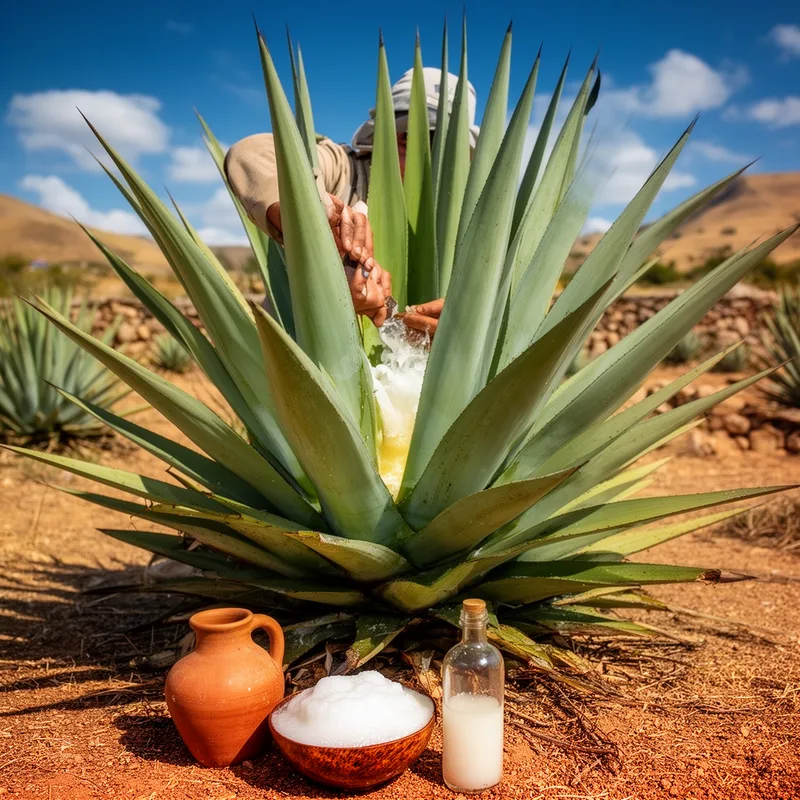
maguey
- noun
- /məˈɡeɪ/
- Specialized
- Farmers cultivate maguey not only for its fibers but also for its sweet sap.
- roasting maguey
- maguey hearts
- maguey plant
Examples
-
Sixteenth-century Spanish explorers traveling through Mexico's highlands marveled at the various uses of maguey.
Academic text (2002) -
Over the past four years, we have excavated six terraces at El Palmillo and have found abundant evidence for the use of maguey, suggesting it was essential to the Prehispanic economy there.
Academic text (2002) -
As a whole, maguey can be used as fuel or to fence fields.
Academic text (2002) -
This one was used in the Classic period, probably for roasting maguey for food and drink.
Academic text (2002) -
Maguey helped sustain those living in this, the driest part of the valley.
Academic text (2002) -
El Palmillo has yielded strong evidence that maguey was being processed for food or drink.
Academic text (2002) -
In addition to eating roasted maguey hearts, El Palmillo's residents likely fermented the juice to make pulque.
Academic text (2002) -
Maguey is a hearty succulent, surviving southern Mexico's long, dry winter by storing liquid in its heart.
Academic text (2002) -
The local community relies on maguey to produce traditional drinks like pulque.
-
In the archipelago, maguey is valued for its many uses in everyday life.
Synonyms
 4
6.9
4
6.9

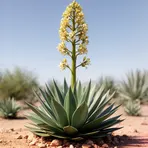
A plant from the Americas with thick, fleshy leaves in a round group and a tall flower stalk
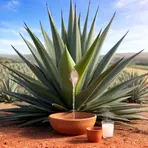
A large Mexican plant with thick leaves used to make the drinks pulque and mezcal
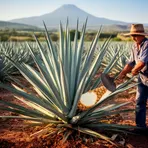
A blue agave plant from Mexico grown to make tequila
Compounds

- Philippine
A strong plant fiber from the Philippines used to make coarse rope and sacks

- Philippine
A strong rough plant fiber from the Philippines used to make rope and twine
Surface Forms
Etymology
Maguey comes from Nahuatl, a native Mexican language, where it named the agave plant people used to make drinks like 'pulque' and 'mescal', so today maguey still means that agave plant used for these beverages.