
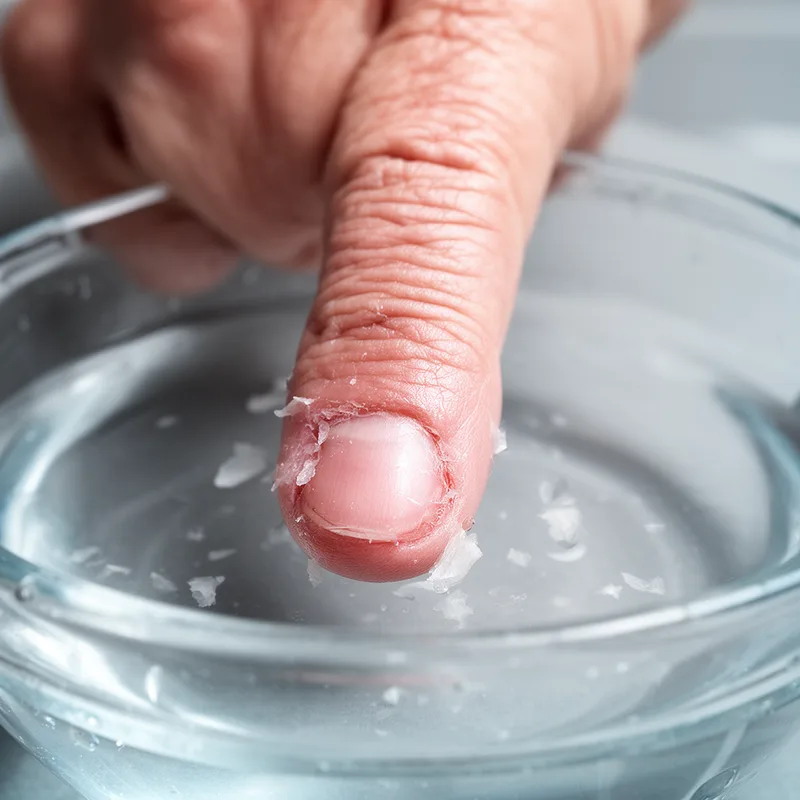
macerative
- adjective
- /ˈmæsəˌreɪtɪv/
- Specialized
- The pathologist noted macerative changes in the tissue sample after it had been left in fluid for too long.
Examples
-
Prolonged exposure to moisture can result in macerative skin lesions.
-
The macerative process helps in extracting flavors from fruits.
-
Researchers observed macerative degeneration in the liver during the study of the disease's progression.
-
Macerative techniques are essential in culinary arts.
-
Prolonged exposure to moisture can result in macerative skin lesions.
-
Researchers observed macerative degeneration in the liver during the study of the disease's progression.
-
The pathologist noted macerative changes in the tissue sample after it had been left in fluid for too long.
Synonyms


 1
9.2
Able to absorb or break down material in body tissues
Antonyms

How Soft

Surface Forms
Morphology
Etymology
Macerative comes from the Latin verb macerare, meaning 'to make soft', and is related to the English verb macerate, which means 'to soak and soften'. So macerative describes tissue or material that has been softened or partly broken down by moisture or chemical action.