

to macerate
 1
8.5
1
8.5

- verb
- /ˈmæsəˌreɪt/
- "In Bordeaux, they let the skins macerate with the new wine for a long time after fermentation.
- macerated strawberries
- macerated fruit
- let macerate
Examples
-
I would macerate the berries for an hour with sugar and a small amount of balsamic vinegar, then strain off the resulting juice.
Blog text (3) -
To prepare the sauce, first macerate the garlic and herbs in olive oil for maximum flavor.
-
The surrounding tissue has become soft and macerated.
Academic text (2011) -
The tissue surrounding the bite is macerated.
-
And the macerated strawberries were like gummy strawberries that had been fashioned into the shape.
Blog text (28) -
"I have macerated a little crocus in brandy," Leeuwenhoek had informed Britain's Royal Society, explaining how he prepared some thinly sliced muscle tissues.
Academic text (2010) -
All of the Barolo releases from Massolino now see a maceration time of this duration, except their Vigna Rionda, which is macerated for even longer on the skins, at 30 days.
Blog text (15) -
Let the strawberries macerate in sugar for at least an hour to enhance their sweetness.
-
For the dessert, macerate the peaches in white wine to create a refreshing topping.
Synonyms
 156
1.0
156
1.0
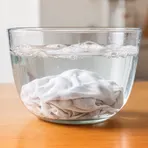
Put something into water for a while to soften or clean it
Antonyms

How Soft

Surface Forms
Morphology
macerate = macer + ate
Formally built from the combining form 'macer' + the verb-forming suffix '-ate', but 'macer' is not a standalone English word and '-ate' is not transparently interpreted by average learners, so the meaning cannot be reliably derived.
Etymology
Macerate comes from the Latin macerare, which meant 'to soften by soaking'. Think of leaving dried fruit or onions in vinegar or sugar until they become soft and juicy — that soaking is macerating, and it explains the modern meaning of 'soften or break down by liquid'.