
lyddite
- noun
- Archaic
- Soldiers handled lyddite with great care because of its powerful explosive properties.
Examples
-
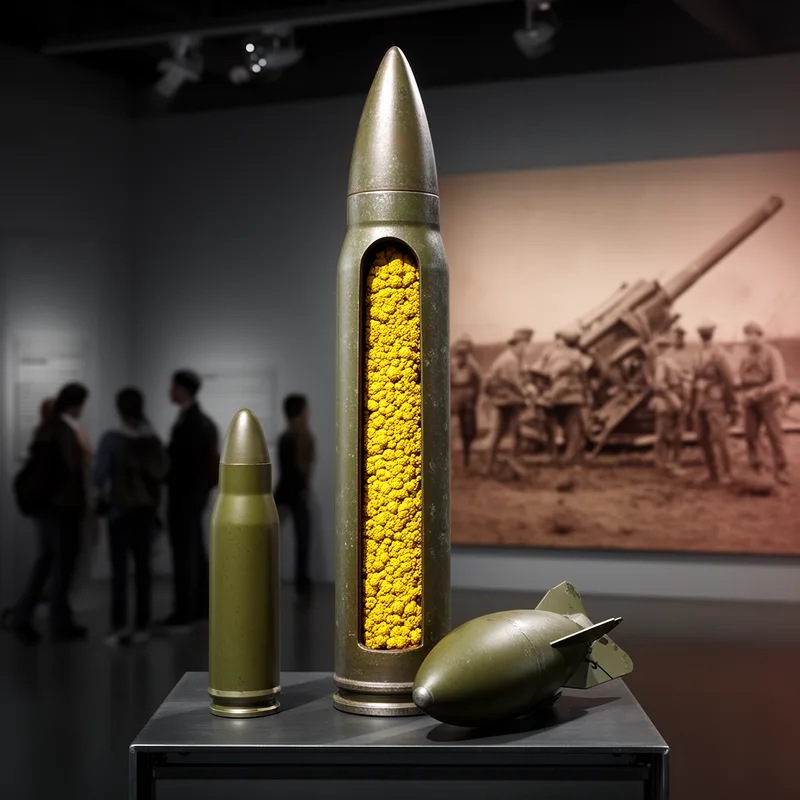
The military used lyddite in their artillery shells.
-
After the introduction of TNT, lyddite became less common in military use.
-
The artillery shells were packed with lyddite during the early 20th century.
-
Lyddite was a popular choice among armies during World War I.
-
The military used lyddite in its artillery shells during World War I due to its powerful explosive properties.
-
Engineers carefully handled the lyddite to ensure safety during the munitions assembly process.
-
Historically, lyddite was favored for bomb production because of its effectiveness against enemy fortifications.
Synonyms

A yellow poisonous chemical that can explode and is used in dyes and explosives
How Powerful
- NSFW
 9
6.1
9
6.1


- Specialized
26
6.0
6
5.1
- Archaic
51
3.2
Surface Forms
Morphology
lyddite = Lydd (opaque) = lydd + ite
Although formed from the place name 'Lydd' with the chemical/mineral suffix '-ite', the meaning 'a high explosive' is not predictable from these components for an average learner.
Etymology
The word lyddite is named after the English town Lydd, where this explosive made from 'picric acid' was first produced for artillery shells. That's why lyddite means the powerful high explosive once used in shells.