
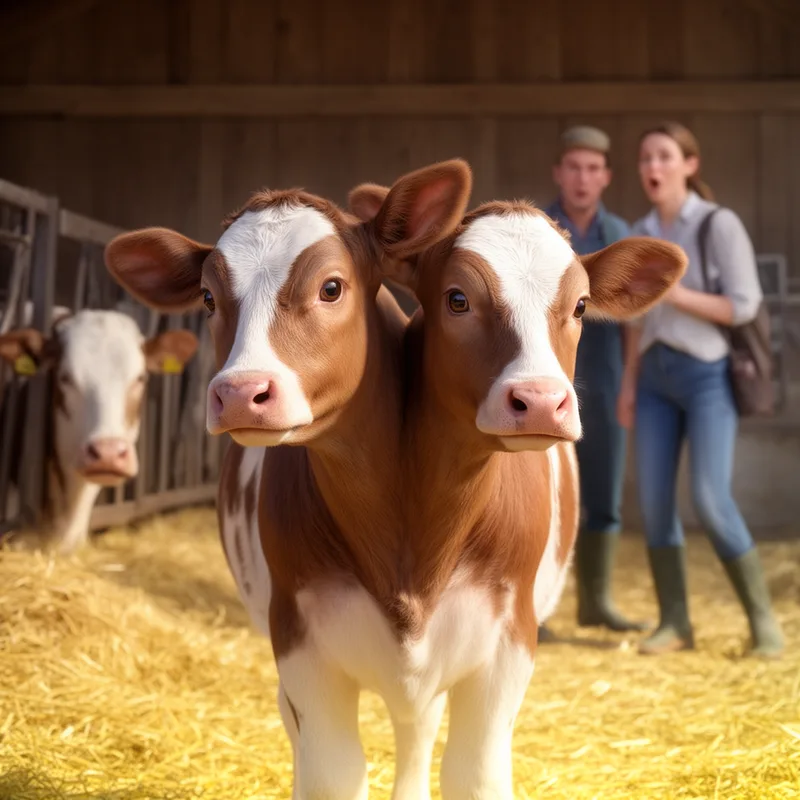
lusus naturae


 1
9.9
- noun
- /ˈluːsəs ˈnætʃʊri/
- Slur
- Some consider the three-headed calf to be a lusus naturae, marveling at its rare genetic mutation.
Examples
-
The peculiar creature in the circus was a true lusus naturae, captivating the audience with its unusual appearance.
-
The documentary featured a lusus naturae that shocked scientists, as it challenged the typical understanding of biology.
-
You loathsome lusus naturae!
Synonyms
 194
5.1
An animal or plant with a change in genes that makes it different
 139
2.5
A very large person or animal with a strange, frightening body
 1
8.6
A person or animal with a very unusual body shape that frightens others
How Unusual
32
8.2

- Slur
756
5.5
- Slur
1
9.9
168
7.1
30
5.3
22
5.0
Surface Forms
Morphology
lusus + naturae
The phrase is a Latin borrowing whose constituent items are not English lexical items (both marked as not found), so an average B1 learner who knows English words cannot transparently compose its meaning. Even if a learner guesses 'naturae' relates to 'nature', the overall idiomatic sense 'freak of nature' is not derivable from the visible parts in English, making it unpredictable without prior exposure.
Etymology
Lusus naturae comes from Latin where the words lusus and naturae suggest 'play of nature', a picture of nature making a strange or unexpected thing. So the phrase came to mean 'a freak of nature', a person or animal that is very unusual or deformed.