
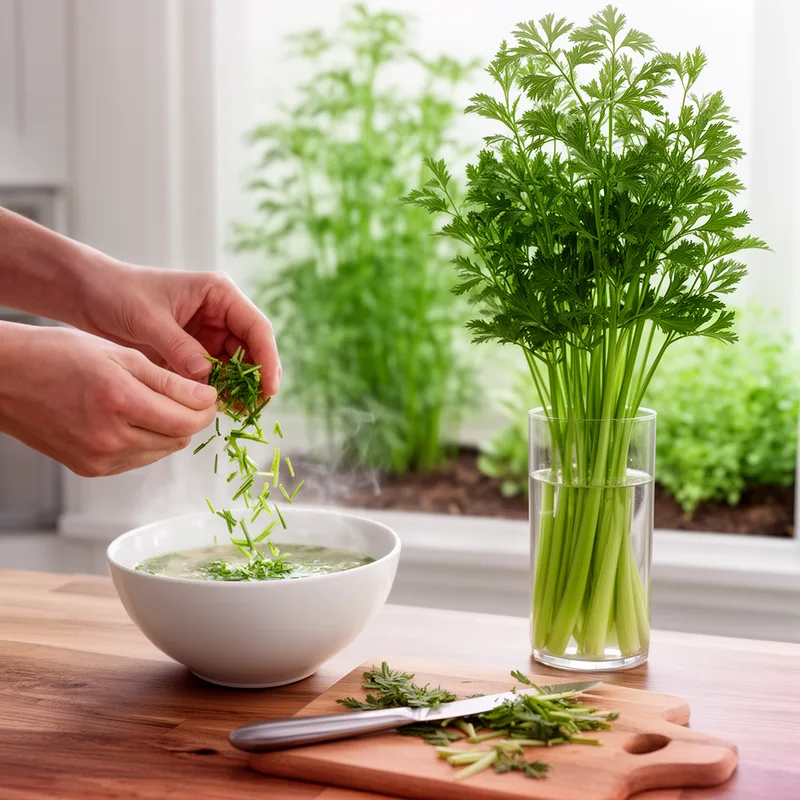
lovage


 1
9.7
1
9.7
- noun
- /ˈlʌvɪdʒ/
- And then finally, you finish by chewing on fennel lovage or parsley for fresh breath.
- the flavor of lovage
- lovage and sorrel
- lovage, fennel
Loading YouTube…
Watch on YouTubeThe most common herb was lovage for the Romans.
- The most common herb was lovage for the Romans.
- Things like tarragon, golden oregano, lovage, sorrel, thyme even can do parts apart sun area.
Examples
-
The most common herb was lovage for the Romans.
-
I bathed in lovage and rosebuds.
Fiction book (2002) -
Anyway, I looked it up in my book and I found out that lovage was actually an abortifacient, umm if used in very large quantities.
-
Things like tarragon, golden oregano, lovage, sorrel, thyme even can do parts apart sun area.
-
In salads, the distinct flavor of lovage complements other herbs like parsley and dill.
-
For a unique taste, try adding lovage to soups and stews for its aromatic qualities.
-
The recipe called for lovage, which added a delightful celery-like flavor to the dish.
Synonyms

An herb like celery with edible leaves, stalks, and seeds used for cooking
Compounds
Surface Forms
Etymology
Lovage comes from an old plant name levisticum, used in Latin, which became French livèche and then English lovage. One popular story says English speakers linked it to the word love because the herb was once used in medicine and thought to 'help the heart', and that's why lovage today means this aromatic herb used in cooking.