
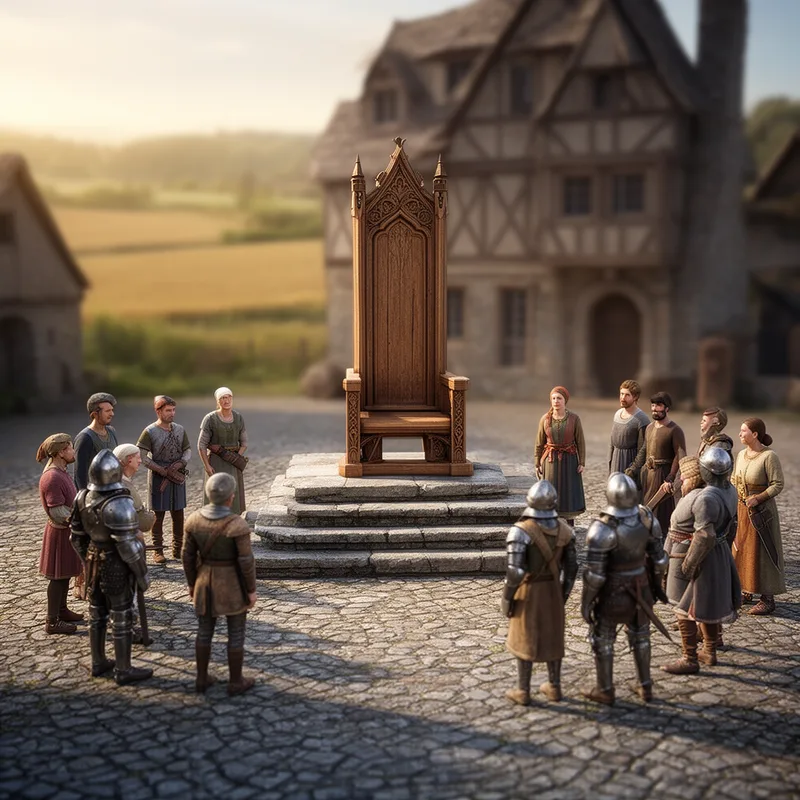
lordless
- adjective
- /ˈlɔrdləs/
- The once-proud kingdom is now lordless.
Examples
-
The lordless land quickly became a haven for rebels and outlaws.
-
She wrote a poem about lordless knights wandering in search of honor.
-
Medieval chroniclers described lordless villages abandoned after the plague.
-
After the rebellion, the village became lordless.
-
After the last king fled, the kingdom became lordless, leading to chaos and uncertainty.
-
In a lordless land, the people revolted against any attempts at governance.
-
The once prosperous estate now lay lordless, with no one to maintain the grounds.
Synonyms

 7
5.1
7
5.1

Without a person in charge of a group or team

 1
8.4
1
8.4
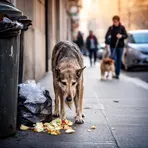
Not owned or controlled by anyone, for example a dog living on the street
 1
5.6
1
5.6
Something that does not belong to anyone, like a stray cat or a lost bike
Antonyms
How Governed

Surface Forms
Morphology
Etymology
Lordless is made of lord and -less, where lord means a person in charge or owner and -less means 'without', as in homeless. So lordless simply means 'without a lord', a place or person with no master or clear control.