

locoweed


 1
9.9
1
9.9
- noun
- /ˈloʊkoʊˌwiːd/
- US
- To prevent losses, farmers must remove locoweed from their pastures before the livestock can eat it.
Examples
-
The rancher warned his workers to keep an eye on the cattle, as they could be poisoned by locoweed if they grazed on it.
-
Stop growing that locoweed at your place, you'd see a lot more daylight.
-
She discovered that the horses showed signs of locoweed poisoning after they ate some of the contaminated grass.
Synonyms
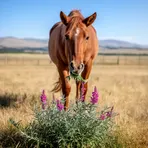
A plant from western North America that makes farm animals act nervous when eaten

A western North American plant that makes farm animals sick if they eat it

A plant with purple, pink, or white flowers that can poison farm animals

A plant that grows in small clumps with purple, pink, or white flowers in the dry southwest United States
Compounds
- Specialized
A plant with purple, pink, or white flowers that can poison farm animals
Surface Forms
Morphology
Etymology
Locoweed comes from Spanish loco 'crazy' and the English word weed. Ranchers called certain plants locoweed because animals that ate them acted 'crazy' or sick, so the name points to the plant's harmful effect.