
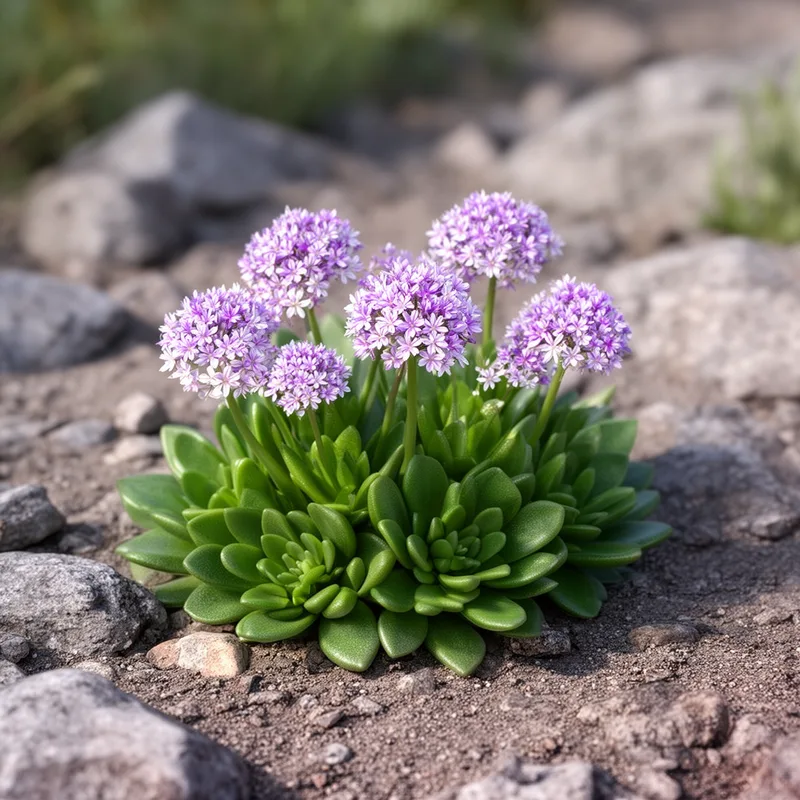
live-forever
- noun
- /ˈlɪv fɔːrˈɛvər/
- Many gardeners choose live-forever for its low maintenance and attractive foliage.
Examples
-
The garden was filled with live-forever plants.
-
The live-forever produces clusters of small purplish-white flowers each summer.
-
A hardy live-forever can survive in rocky soil and cold climates.
-
My grandmother loves her live-forever flowers.
-
The hardy live-forever, with its plump leaves, stores water efficiently to survive harsh climates.
-
Gardeners appreciate the live-forever for its ability to produce beautiful flowers even in rocky soil.
-
Live-forever plants are often used in rock gardens because they thrive in dry conditions.
Synonyms
 1
9.9
1
9.9

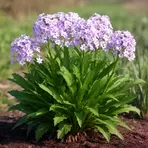
A plant that lives many years with toothed leaves and small purplish-white flowers

A small hardy plant with thick leaves and clusters of pale purple flowers
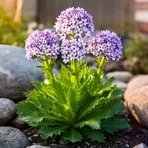
A plant that lives for many years with toothed leaves and small purplish-white flower clusters
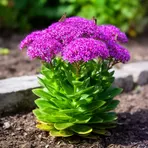
A plant that lives for several years with thick leaves and small purple flowers
Antonyms
Surface Forms
Morphology
Etymology
Live-forever comes from the plant's Latin name Sempervivum, which breaks into semper 'always' and vivere 'to live'. That's why gardeners call it live-forever: the plant survives in poor soil and cold, so it seems to 'live forever'.