
liliaceous plant


 1
8.6
- noun
- /ˌlɪliˈeɪʃəs plænt/
- Specialized
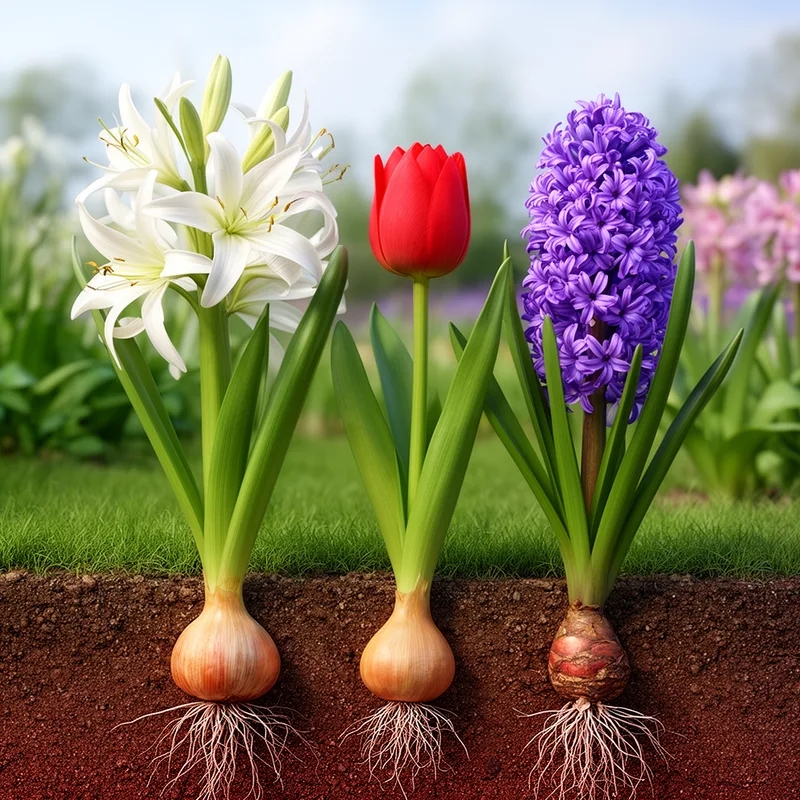
- The tulip is a well-known example of a liliaceous plant, prized for its vibrant spring blooms.
Examples
-
Gardeners often plant liliaceous plants like lilies and hyacinths for their beautiful flowers and easy care.
-
Many liliaceous plants store nutrients in underground bulbs to survive harsh winters.
-
The liliaceous plant blooms beautifully in spring.
-
I bought several liliaceous plants for my garden.
-
Many liliaceous plants store nutrients in underground bulbs to survive harsh winters.
-
Gardeners often plant liliaceous plants like lilies and hyacinths for their beautiful flowers and easy care.
-
The tulip is a well-known example of a liliaceous plant, prized for its vibrant spring blooms.
Surface Forms
Morphology
The meaning is directly derivable from combining the adjective 'liliaceous' (characteristic of the lily family) with the noun 'plant', so it straightforwardly denotes a plant of or resembling the lily family. This adjective+noun compositional pattern is a standard, transparent formation that a B1 learner who knows both constituents would understand.
Etymology
Liliaceous plant comes from the word lily plus the word ending -aceous, which meant 'like', so it literally meant 'plants like lilies'. That's why today it refers to plants that look or grow like lilies, often from bulbs.