
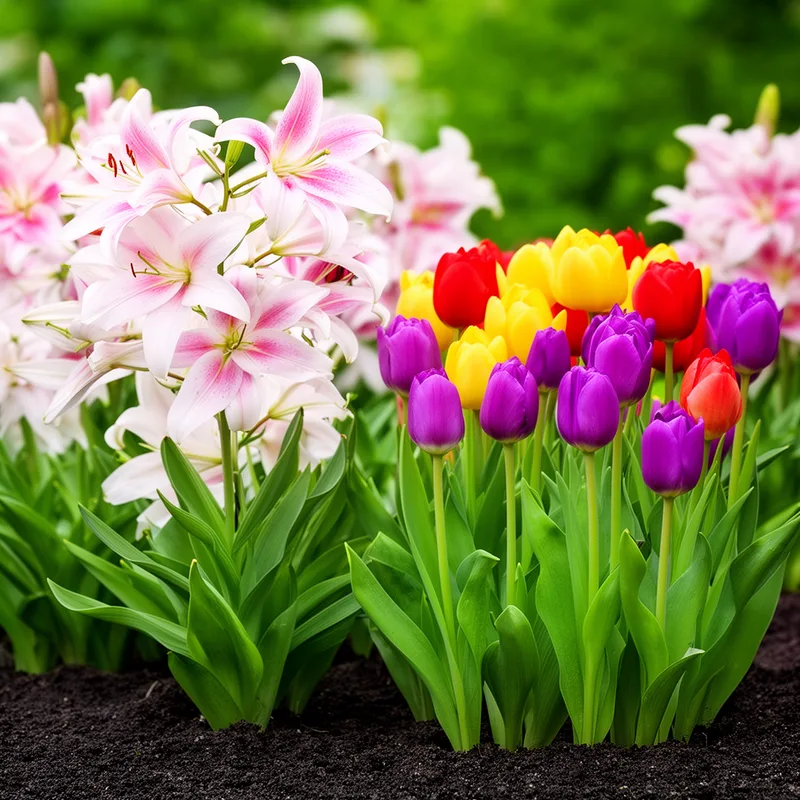
liliaceous


 1
9.9
- adjective
- /ˌlɪliˈeɪʃəs/
- Specialized
- The garden featured many liliaceous flowers, including tulips and lilies.
Examples
-
Many liliaceous species are valued for their ornamental beauty.
-
The liliaceous plants in the garden bloom beautifully every spring.
-
Researchers studied the medicinal properties of liliaceous plants.
-
Did you know that liliaceous flowers often attract pollinators?
-
The garden was filled with beautiful liliaceous flowers, adding vibrant colors to the landscape.
-
Many liliaceous species, such as tulips and daffodils, bloom in the spring.
-
Botanists study liliaceous plants to understand their role in the ecosystem.
Compounds
- Specialized
1
8.6
A plant that grows from a bulb or tuber and has flowers like lilies
Surface Forms
Morphology
liliaceous = lily (semi-transparent) = lili + aceous
The word is clearly related to lilies, but the learned botanical suffix -aceous makes the formation less immediately transparent for an average learner.
Etymology
Liliaceous comes from the simple word lily plus the ending -aceous, which means 'like' or 'of the nature of'. So, liliaceous means 'like a lily' or 'relating to the lily family', which is why we use it for plants that have the look or features of lilies.