
ligand
 3
8.3
3
8.3

- noun
- /ˈlɪɡənd/
- Specialized
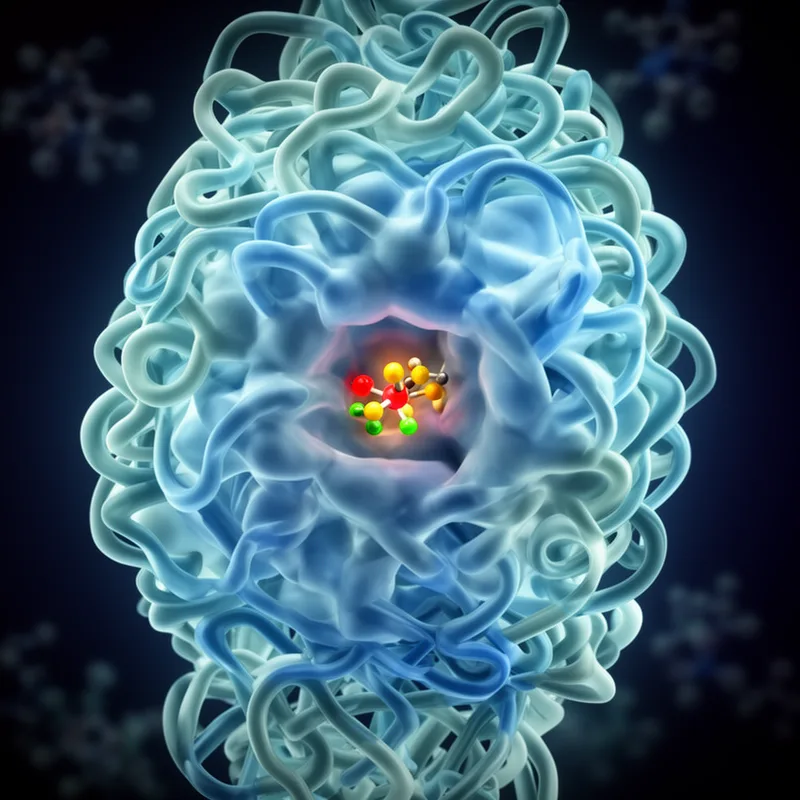
- In biochemistry, a ligand binds to a central atom, forming a complex that influences various reactions.
Loading YouTube…
Watch on YouTubeAll right, so which common ligands fall into which categories?
- All right, so which common ligands fall into which categories?
- But it in that press release, it, it was about the ligands and the DNA.
Examples
-
Members of the Eph receptor gene family and their ligands facilitate cell-cell repulsion (antiadhesive) and promote cell migration.
Academic text (2003) -
We've been able to change the nature of this ligand that holds onto the copper atom.
-
So this is the first ligand discovered for NKT cells.
-
And in some cases, it might be a ligand gated ion channel.
-
Initially, the ligands for these receptors were unknown, but they have since been identified.
Academic text (2003) -
Under these conditions, protons can successfully compete with metal ions for the available ligands.
Academic text (2000) -
NanoViricides scientists, led by Dr. Anil Diwan, have identified the ligands that attract specific viruses.
Blog text (20) -
The hormone acts as a ligand, connecting to its receptor to trigger cellular responses.
-
Studying how a ligand interacts with metal ions is essential for understanding coordination chemistry.
How Many Bonds


Surface Forms
Etymology
Ligand comes from the Latin verb ligare, meaning 'to bind', plus the ending -and meaning 'one that'. In chemistry a ligand is a molecule that 'binds' to a central atom, so the name literally means 'a binder'.