

leprous
 2
9.9
2
9.9

- adjective
- /ˈlɛprəs/
- His back was hunched, and his skin had a rough and leprous appearance.
- leprous skin
- leprous appearance
- leprous hand
Loading YouTube…
Watch on YouTubeSome speculated about their aphrodisiac properties, others voiced concern about their leprous appearance.
- Some speculated about their aphrodisiac properties, others voiced concern about their leprous appearance.
Examples
-
As I looked around the room, I saw many blind, broken, and leprous people.
Blog text (5) -
Heartsick, the father reaches across the table, then stays his arm, unwilling to touch his son with his leprous hand.
Fiction book (1995) -
The land near the village of the old man and the woman had become leprous.
Fiction book (1992) -
The four leprous men realized they were dying, in this case not of leprosy but of starvation.
Blog text (6) -
They were large, leprous hands, thick with scar tissue and slightly curled.
Fiction book (1993) -
The dark stains were blood, long since dried, matting the once-beautiful pelt in a leprous patchwork.
Fiction book (2000) -
As I looked around the room, I saw many blind, broken, and leprous people.
-
His back was hunched, and his skin had a rough and leprous appearance.
-
Victims suffered scaling, leprous skin, intestinal distress, lethargy, and depression.
Synonyms
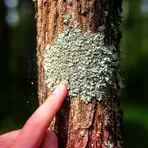
Rough and covered with small scales or powder
Antonyms

Compounds
- Literature
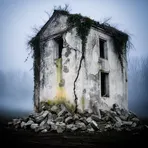
An old building that is falling apart with crumbling stones and a sick look
How Diseased

Surface Forms
Morphology
Etymology
Leprous comes from the word leprosy, which in turn comes from an old word lepra meaning 'scaly' or 'rough'. So leprous describes something 'like leprosy'—for example skin or a surface that looks unhealthy, scaly, or covered in patches.