
leeway


 1
6.5
1
6.5
- noun
- /ˈliːˌweɪ/
- Specialized
- The sailors adjusted the sails to counteract the leeway caused by the strong winds.
Examples
-
The pilot factored in his observations of wind, current, and leeway, and basically took an educated guess.
Fiction book (1999) -
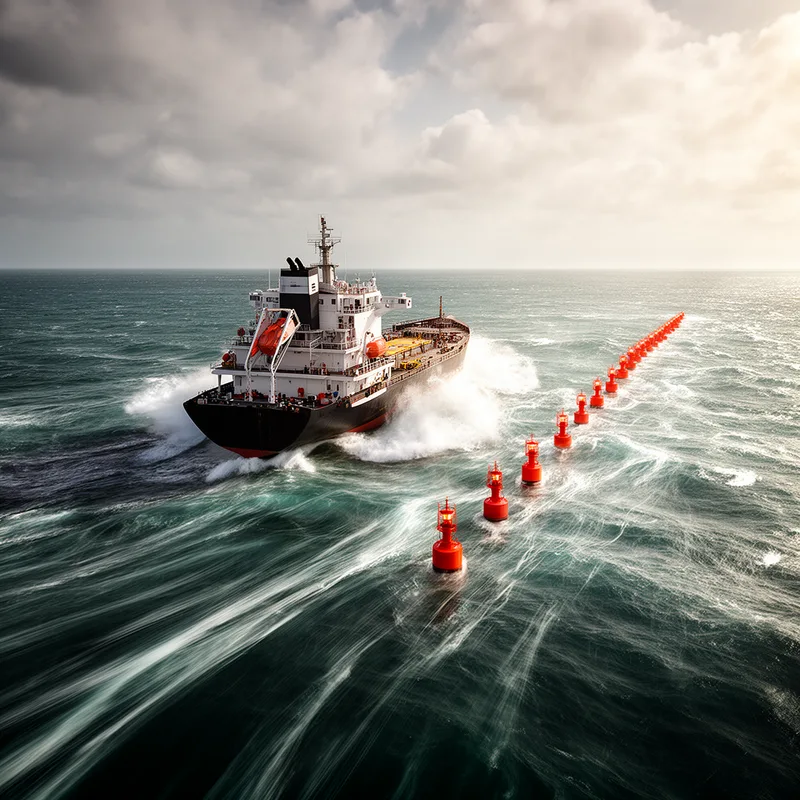
But large ships do not sail in a straight line due to leeway, the effect of the wind pushing the ships hull sideways.
-
The defense plays a massive amount of snaps because of the offense's inability to sustain drives, and no defense can endure for an entire game without giving up some leeway.
Blog text (3) -
There was heavy surf along a hollow in the shoreline, and steering somewhat to windward to correct our leeway, I hoped to pass parallel to the reefs and find an opening.
Fiction book (1991) -
During the flight, the pilot had to account for the leeway resulting from the unexpected currents.
-
Navigating through the storm, the captain was carefully monitoring the leeway of the ship to stay on course.
How Far

Surface Forms
Morphology
Etymology
Leeway is a sailing word from lee ('shelter from the wind') and way ('path' or 'space'). Sailors used it for the sideways drift of a ship toward the sheltered side, so leeway here means how far a ship moves off its course and must be corrected.