
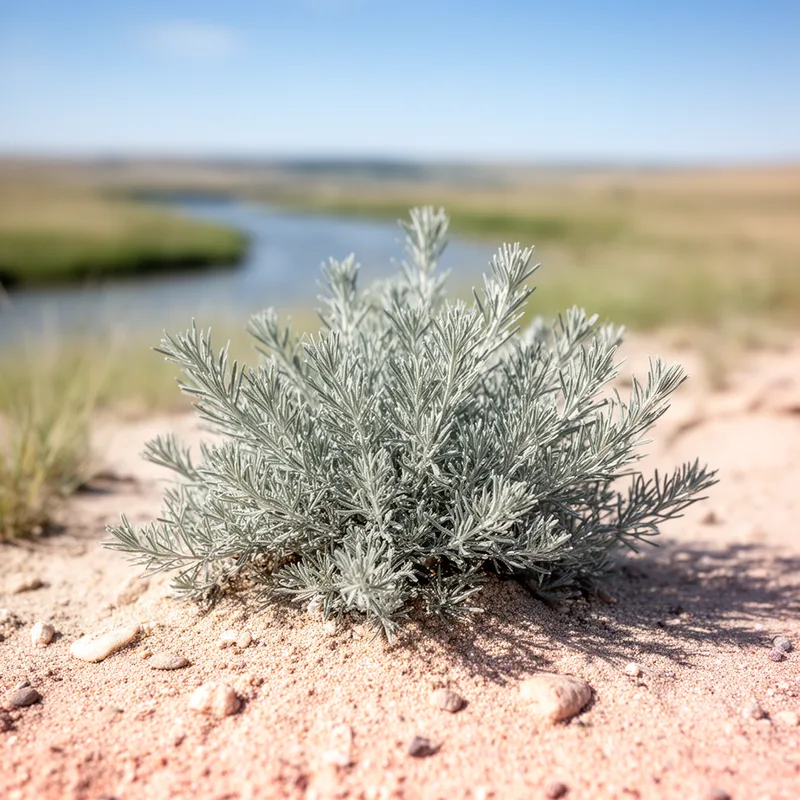
leadplant
- noun
- /ˈlɛdˌplænt/
- US
- Some settlers believed the presence of leadplant indicated rich mineral deposits underground.
Examples
-
Botanists identified several leadplants during their survey of the western prairie.
-
The leadplant thrives in sandy soils.
-
The leadplant thrives in sandy soils along the riverbanks.
-
Many gardeners appreciate the leadplant for its unique appearance.
-
The leadplant is commonly found in sandy woodlands, where its unique leaves can thrive.
-
In the western United States, leadplant often grows near stream banks and is recognized by its distinctive flowers.
-
Many hikers admire the leadplant for its beautiful foliage during their trips through the natural habitats.
Synonyms

A shrub that grows on sandy river banks and is thought to show nearby lead
A small shrub with gray leaves and small dull flowers that grows on sandy banks in western United States
Surface Forms
Morphology
Etymology
Leadplant comes from the two simple parts lead and plant; early settlers saw this shrub near places where 'lead' metal was found and so called it a 'lead plant'. So the name helps you remember that the plant was thought to mark spots with lead in the ground.

