
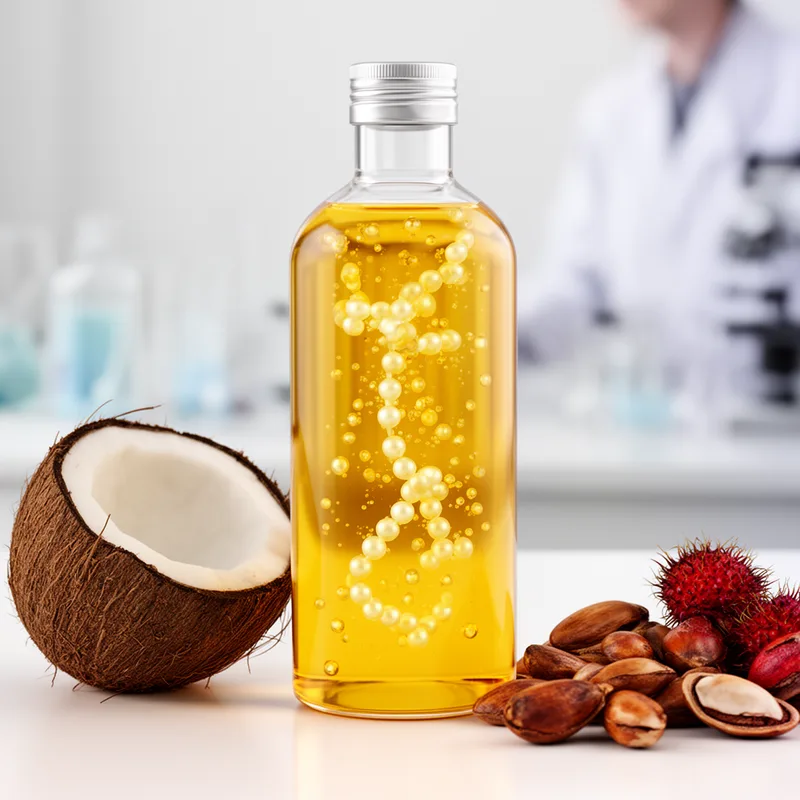
lauric
- adjective
- /ˈlɔːrɪk/
- Specialized
 :
laúrico
:
laúrico
- Coconut oil is known for its high lauric acid content, which has various health benefits.
Examples
-
Coconut oil is rich in lauric acid.
-
The soap manufacturer prefers lauric oils because they produce a rich lather.
-
Researchers studied the effects of lauric compounds on bacterial growth.
-
Many skincare products contain lauric acid.
-
Coconut oil contains a high amount of lauric acid, making it popular for cooking and health products.
-
The lauric oil extracted from palm kernels is favored in many cosmetic formulations for its moisturizing properties.
-
Due to its lauric acid content, coconut oil can help improve cholesterol levels in the body.
Synonyms
Containing or made from lauric acid, a common fatty acid used in soaps
Compounds
- Specialized
A fat found in coconut and palm kernel oil used to make soap and cosmetics
Surface Forms
Morphology
Etymology
Lauric comes from the Latin laurus, which means 'laurel' or 'bay tree'. Because a similar fatty acid was first found in laurel oil, lauric now describes something that has or is related to lauric acid, for example oils like coconut or palm kernel oil.

