
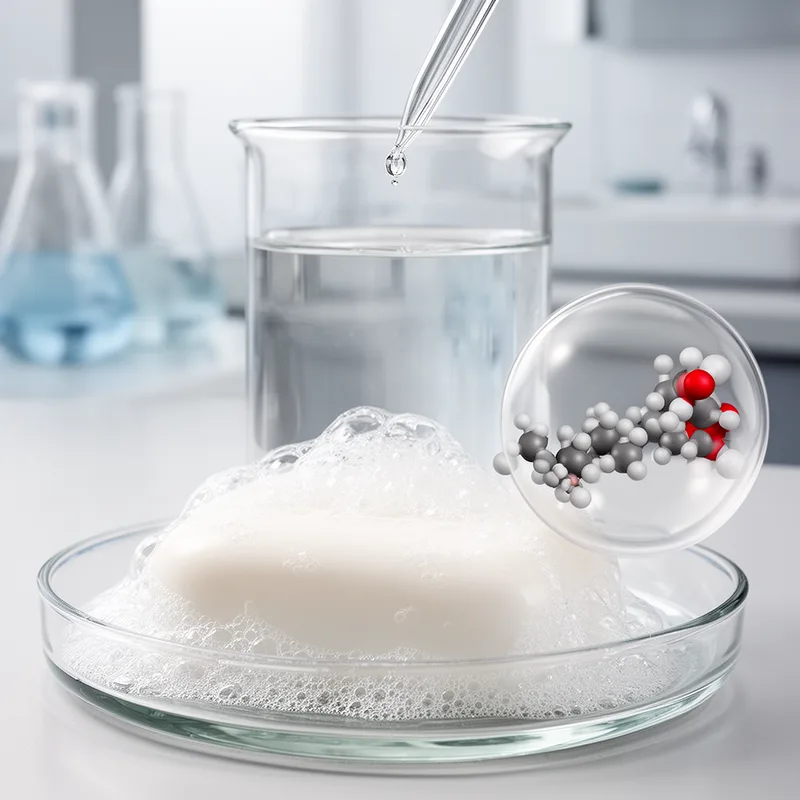
laurate
- adjective
- /ˈlɔːrɪt/
- Specialized
 :
laurato
:
laurato
- The soap contains a laurate compound that helps cleanse the skin.
Examples
-
The laboratory tested the laurate solution for its effectiveness against bacteria.
-
The laboratory tested the laurate solution for its effectiveness against bacteria.
-
Some shampoos use sodium laurate for its foaming properties.
-
The cream contains laurate for its moisturizing properties.
-
Is this soap made with laurate?
-
The soap contains a laurate compound that helps cleanse the skin.
-
Some shampoos use sodium laurate for its foaming properties.
Surface Forms
Morphology
laurate = lauric (opaque) = laur + ate
The derivation uses a specialized chemical formation (−ate indicating a salt/ester of lauric acid), which is unlikely to be transparent to an average B1 learner.
Etymology
Laurate comes from the root laur- meaning 'laurel' because lauric acid was named after the bay laurel where it was found, and the ending -ate as in sulfate and nitrate means 'a salt or related chemical'. So laurate as an adjective means 'containing or coming from lauric acid', which is why it often appears in soaps and shampoos.

