

lateral cerebral sulcus
- noun
- /ˈlætərəl ˈsɛrəbrəl ˈsʌlkəs/
- Specialized
- The lateral cerebral sulcus marks the boundary between the frontal and temporal lobes in the brain.
Examples
-
Damage near the lateral cerebral sulcus can affect language abilities.
-
The lateral cerebral sulcus is an important landmark in neurosurgery.
-
The MRI scan clearly revealed the lateral cerebral sulcus.
-
The lateral cerebral sulcus plays a crucial role in brain function.
-
Researchers studied the lateral cerebral sulcus in detail.
-
In an anatomy textbook, the lateral cerebral sulcus is illustrated as a key feature of the cerebral structure.
-
During the procedure, surgeons aimed to avoid damage to the lateral cerebral sulcus to preserve important cognitive functions.
Synonyms
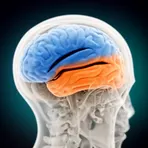
A deep groove on the side of the brain that separates the frontal lobe from the temporal lobe

A deep groove on each side of the brain that separates the front and side lobes
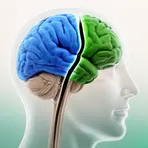
A deep groove in the brain that separates the front and side parts
Surface Forms
Morphology
The phrase is transparently compositional: 'lateral' (side) + 'cerebral' (relating to the brain) + 'sulcus' (groove) straightforwardly denote a side groove of the brain that separates lobes. This follows standard anatomical naming patterns (common across many languages), so a learner who knows the constituent words can reliably infer the meaning.
Etymology
Lateral cerebral sulcus comes from its parts: lateral meaning 'side', cerebral meaning 'brain', and sulcus meaning 'groove'. It is a deep groove on the side of the brain that separates the frontal and temporal lobes, so the name directly tells you what it is.

