
labyrinthine
- adjective
- /ˌlæbəˈrɪnθiːn/
- Specialized
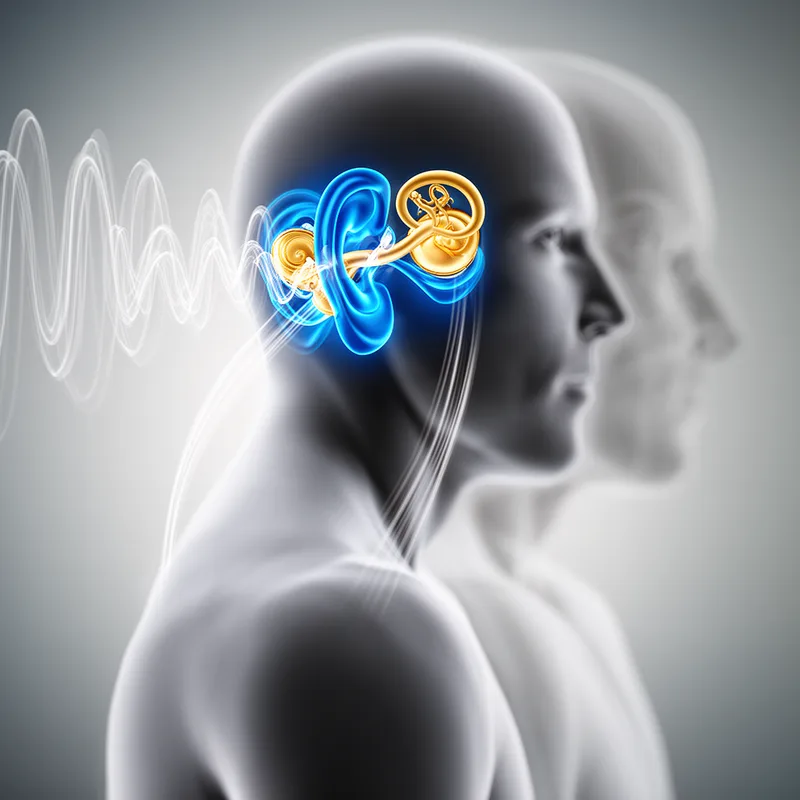
- The doctor explained that damage to the inner ear could lead to loss of labyrinthine function, causing balance issues.
- labyrinthine fistula
- labyrinthine capsule
- labyrinthine portion
Examples
-
On the left side, the otosclerotic focus extended from the labyrinthine capsule, through the fissula ante fenestram, and into the round window niche.
Academic text (2001) -
But we now know that gentamicin can damage the labyrinthine portion of the inner ear, so we have been very reluctant to use it in children.
Academic text (2003) -
Twenty patients experienced dizziness that resolved in a few days after the administration of labyrinthine sedatives.
Academic text (2004) -
The labyrinthine portion of the fallopian canal is followed toward, but not all the way into, the internal auditory canal.
Academic text (2004) -
Radiographic studies indicated that these three electrodes had come into contact with the labyrinthine segment of the facial nerve.
Academic text (1999) -
One hundred one showed evidence of a less than normal density of the labyrinthine capsule consistent with the spongiotic phase of otosclerosis.
Academic text (1995) -
The vertigo of Meniere's disease is typically treated with a low-salt diet, diuretics, and labyrinthine suppressants.
Academic text (2008) -
CT showed that the midbasal electrodes had come into contact with the labyrinthine segment of the facial nerve (Figure 2A).
Academic text (1999) -
Other proposed causes include autoimmune disorders (n8-n10) and a parcellar rupture of the labyrinthine membrane.
Academic text (2001) -
In the so-called paralabyrinthine cholesteatoma, invasion of the fallopian canal at the level of the tympanic or labyrinthine segment is not uncommon.
Academic text (1996)
Compounds


- Specialized
A sense that tells you where your head is and how it moves from the inner ear


Surface Forms
Morphology
Etymology
The word labyrinthine comes from labyrinth, meaning 'maze', and doctors used the same idea for the twisty shape inside the ear. So labyrinthine can mean 'relating to the inner ear', because that part of the body is a maze-like system that helps hearing and balance.

